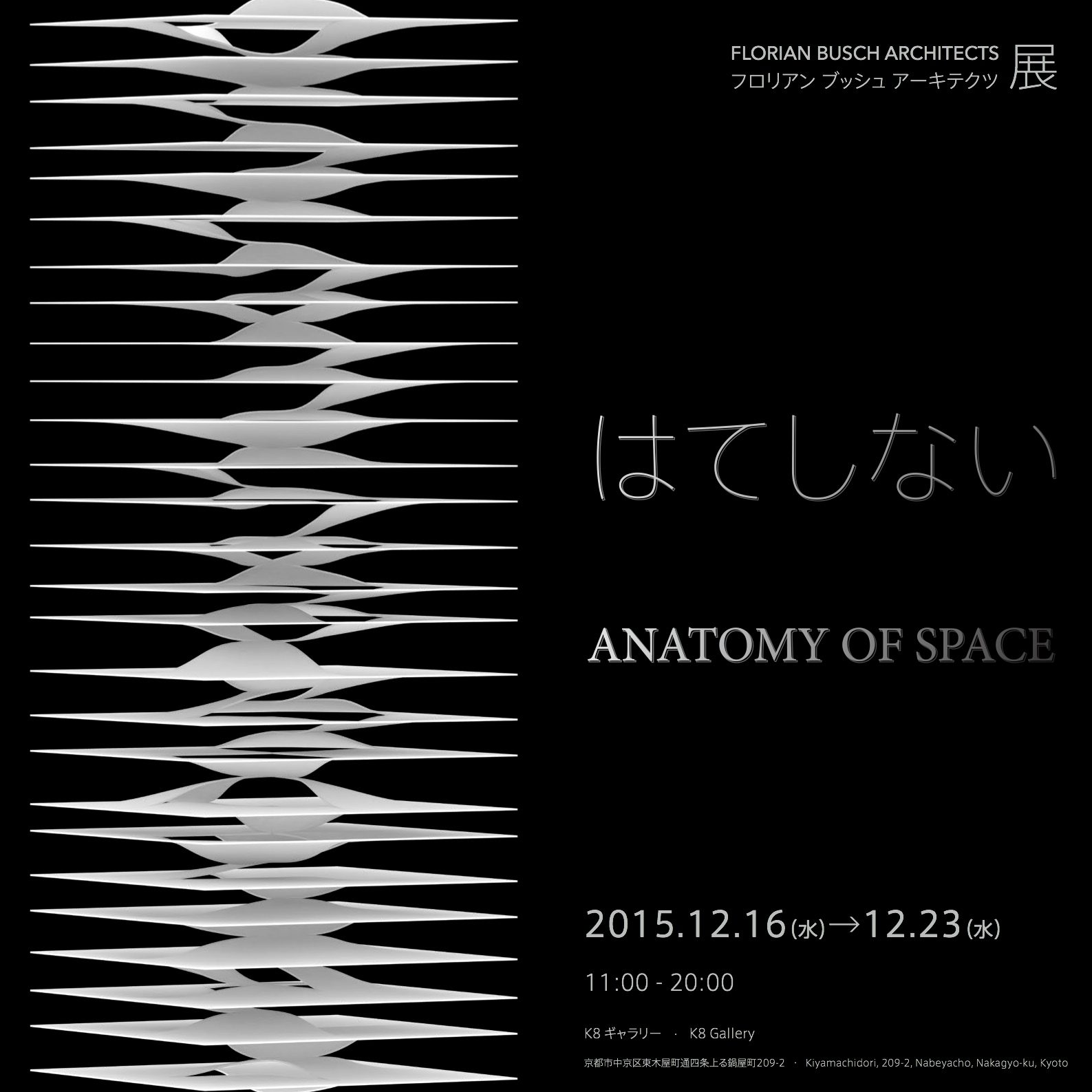
Anatomy of Space
Right after K8 in Kyoto had been completed, FBA was invited to exhibit their work.
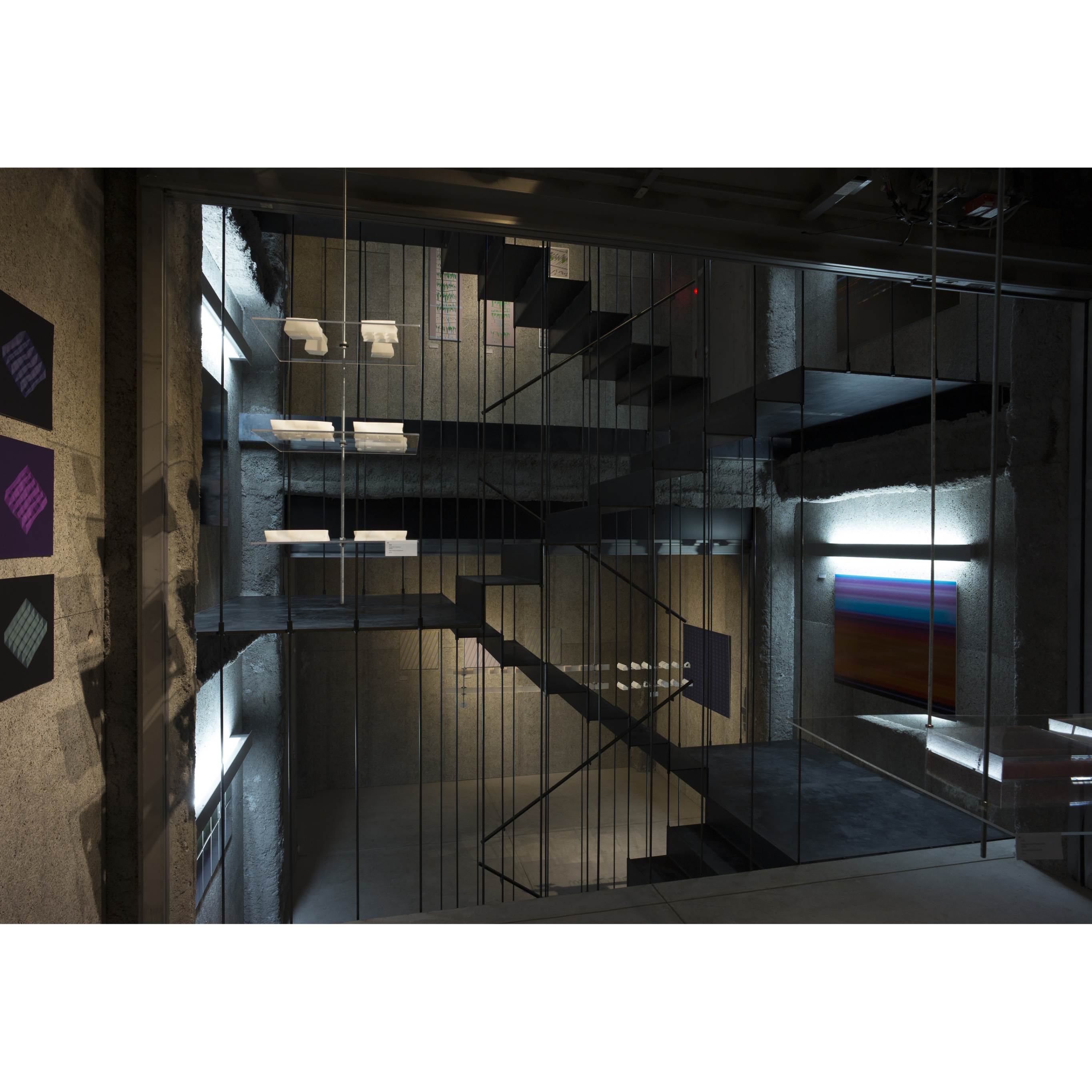
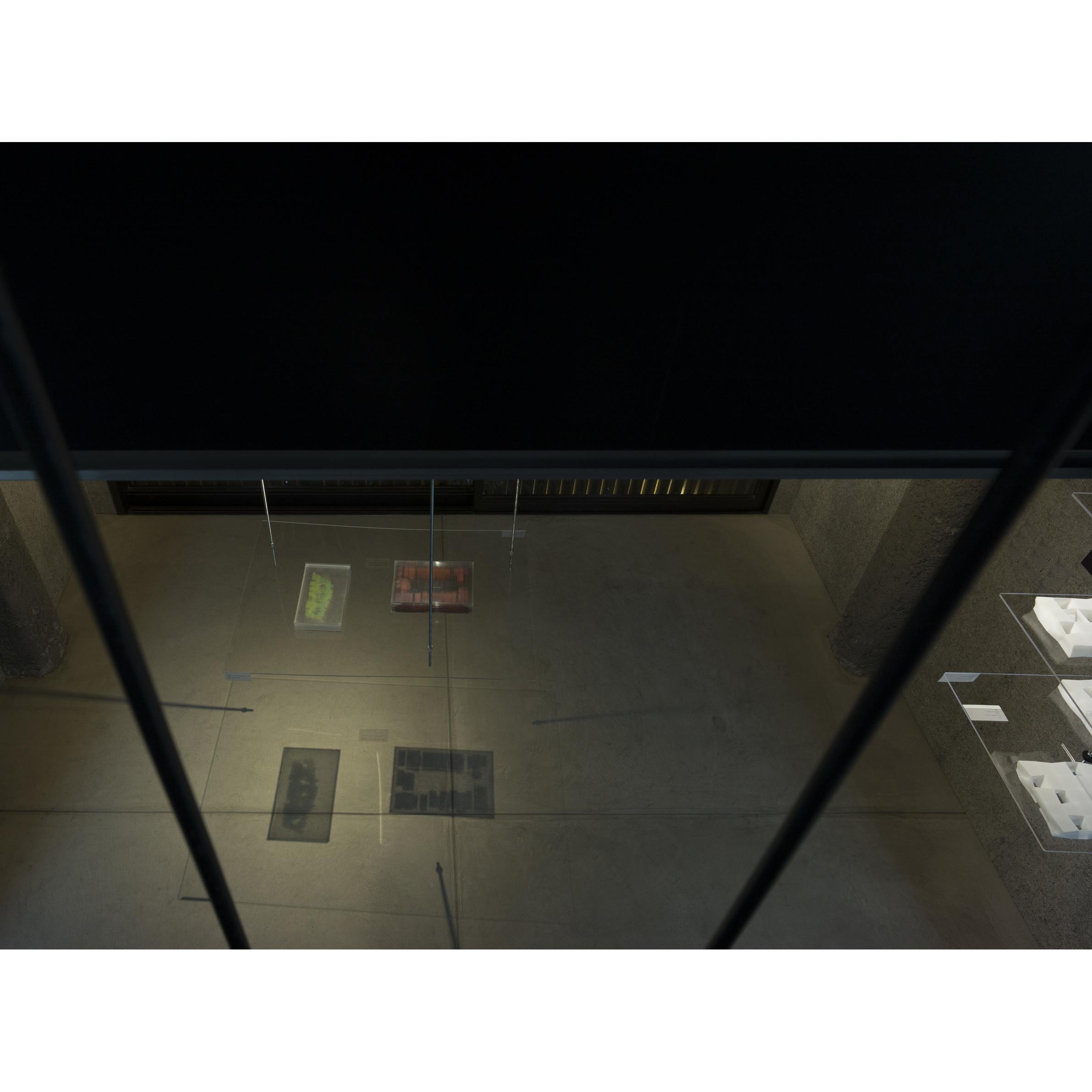
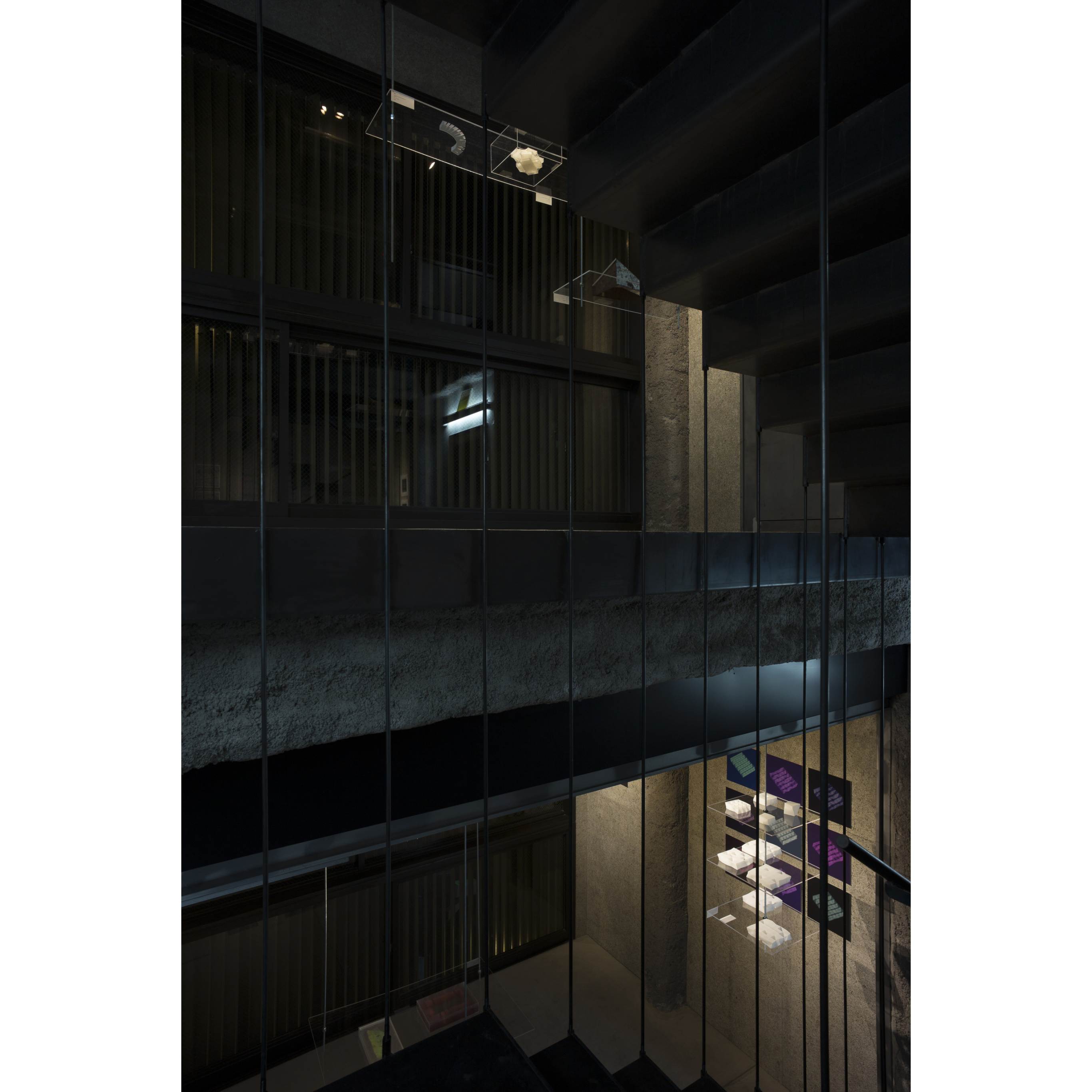
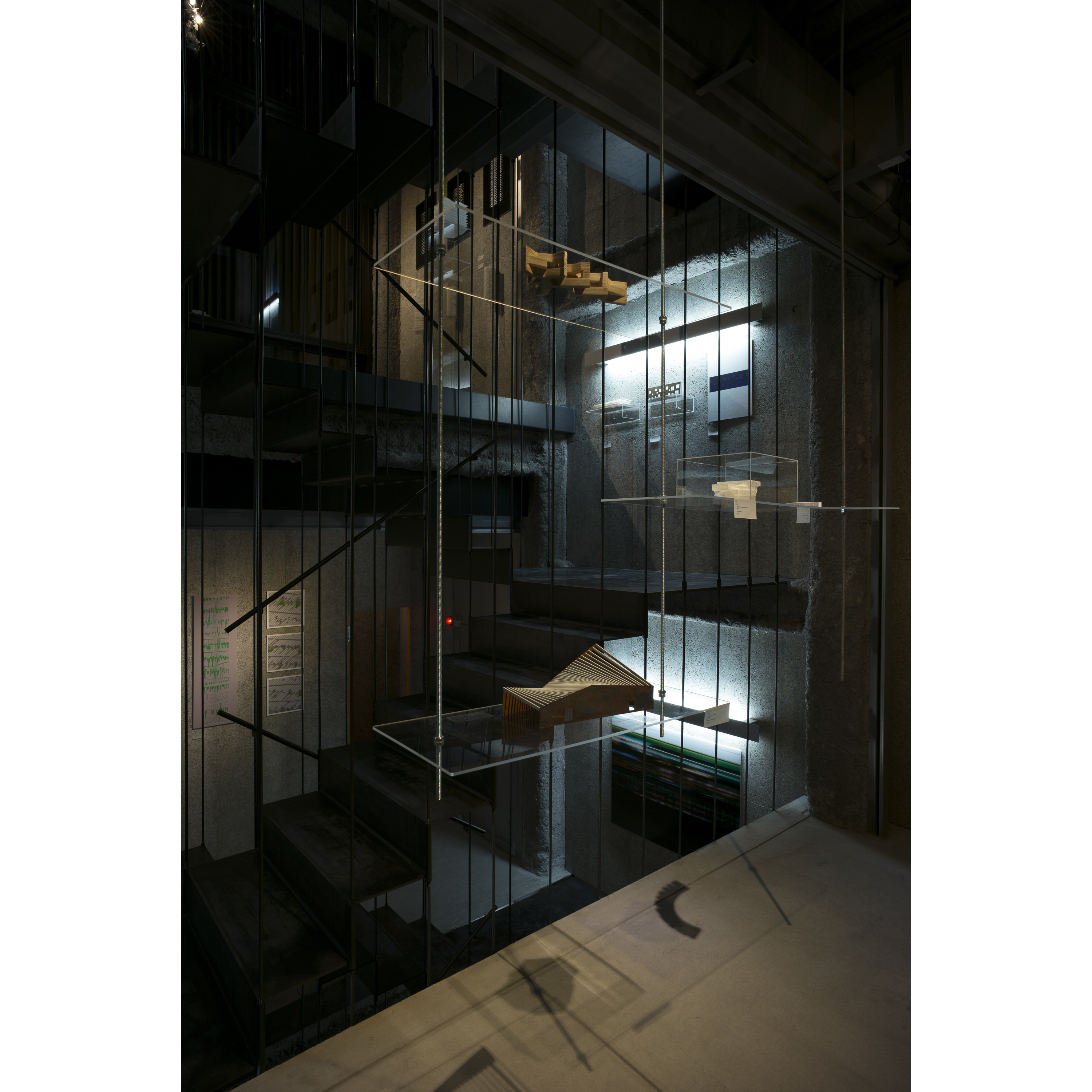
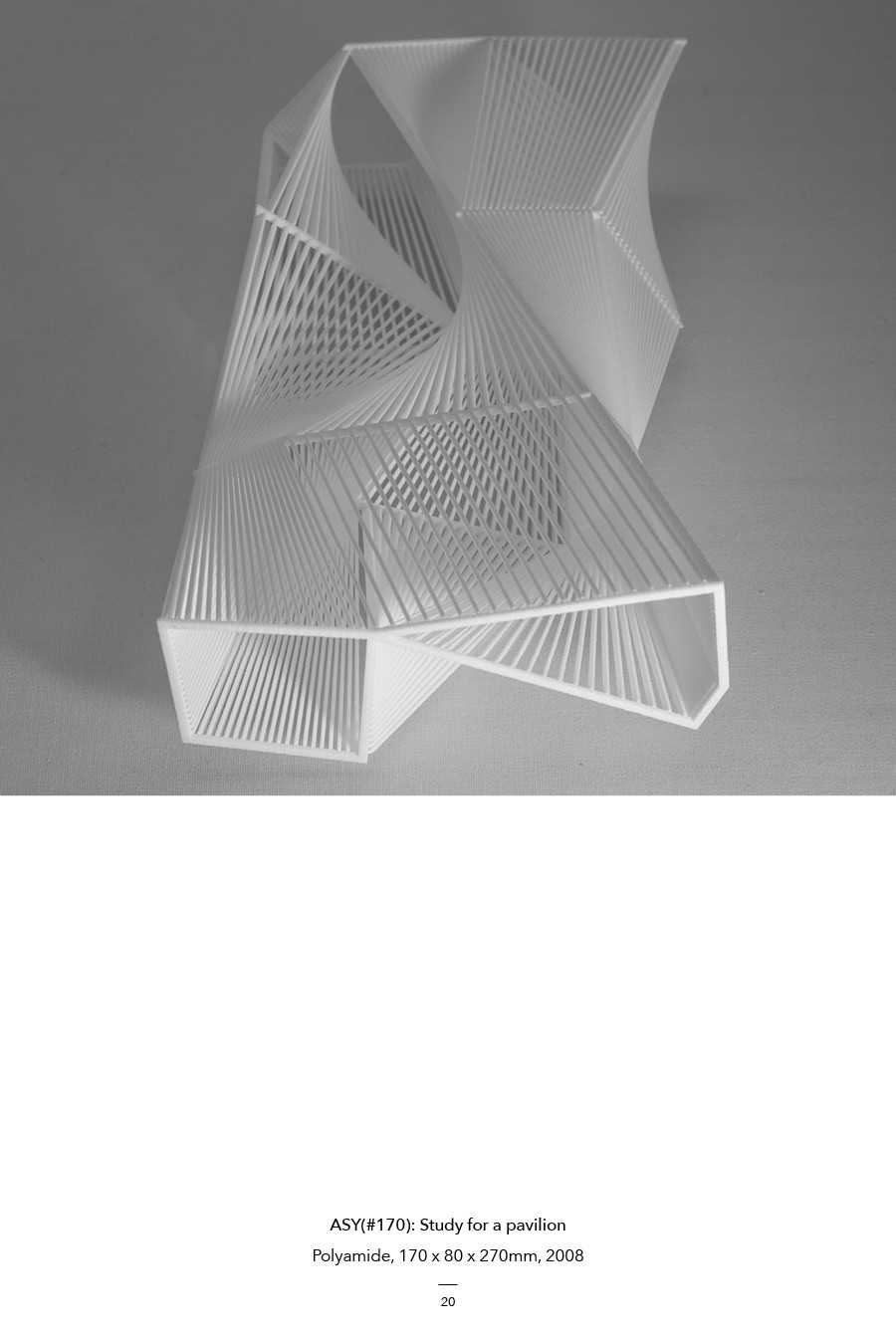
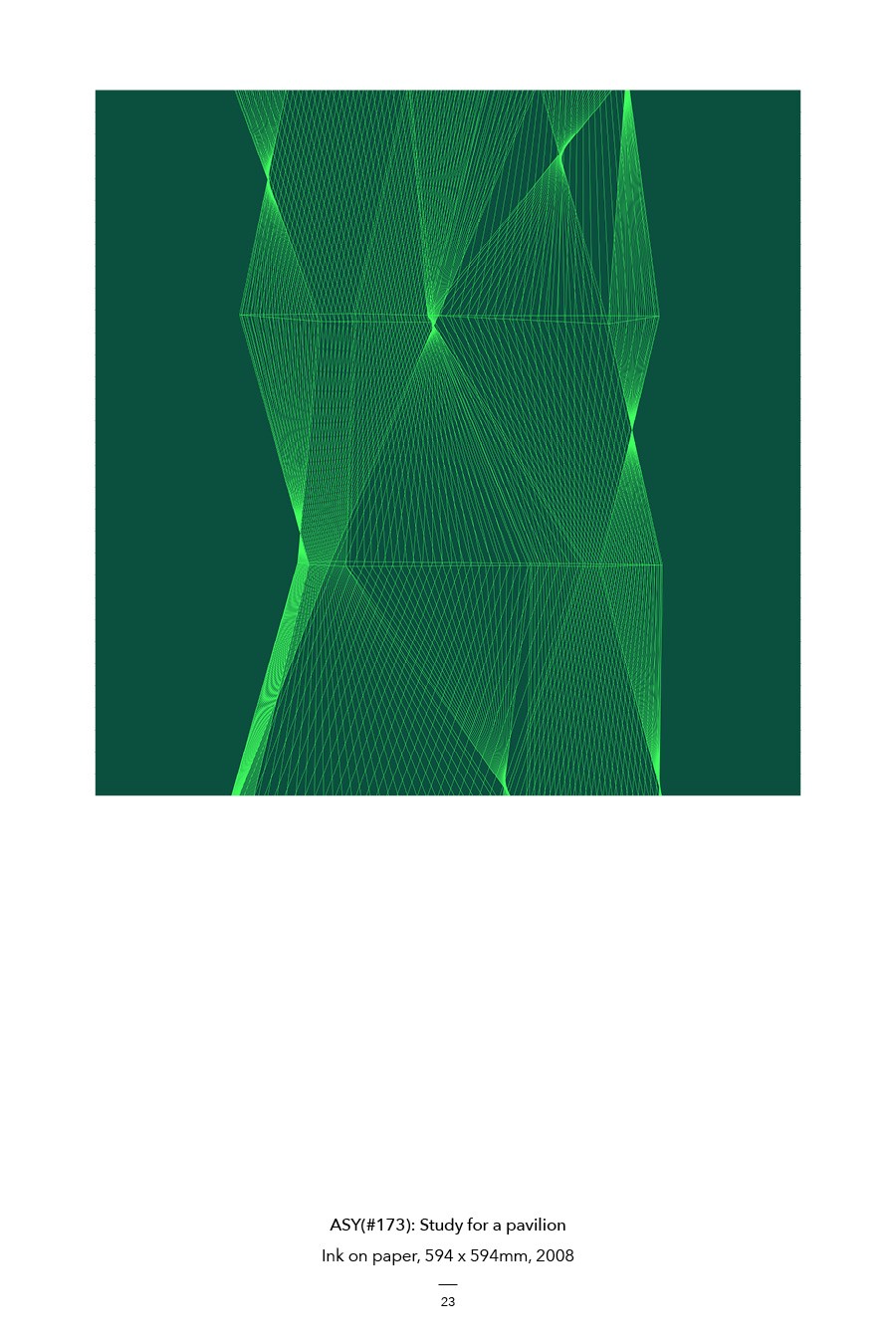
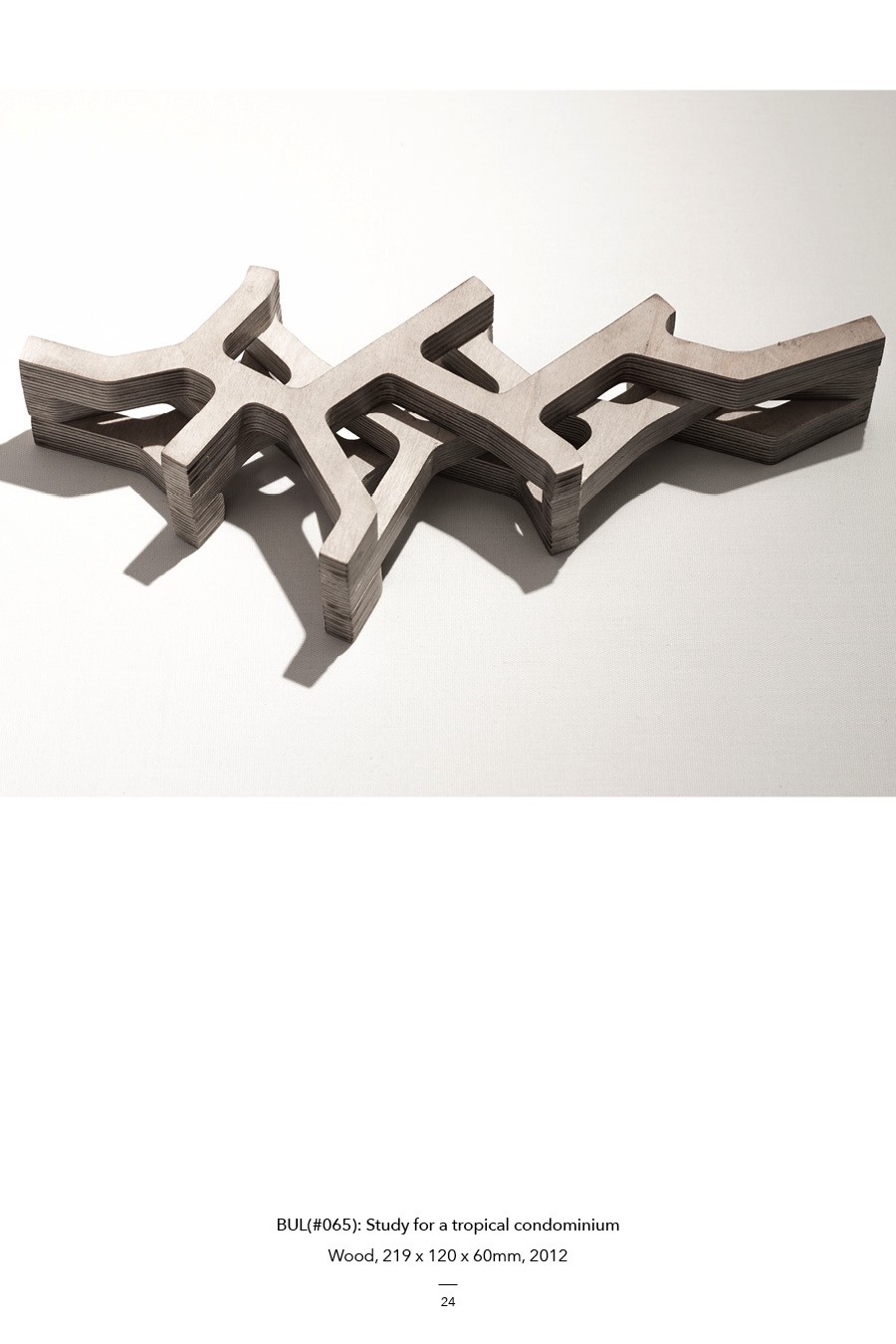
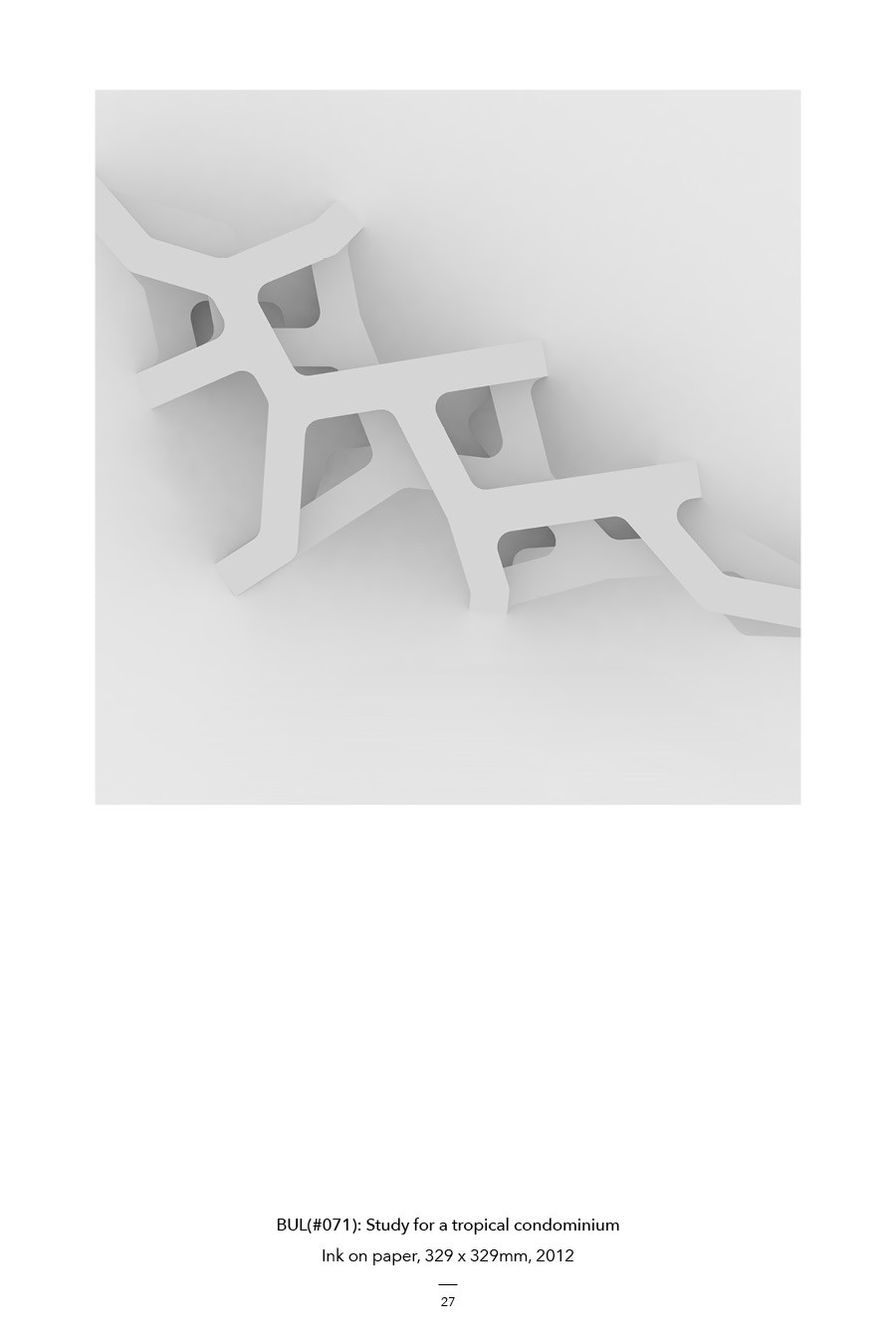
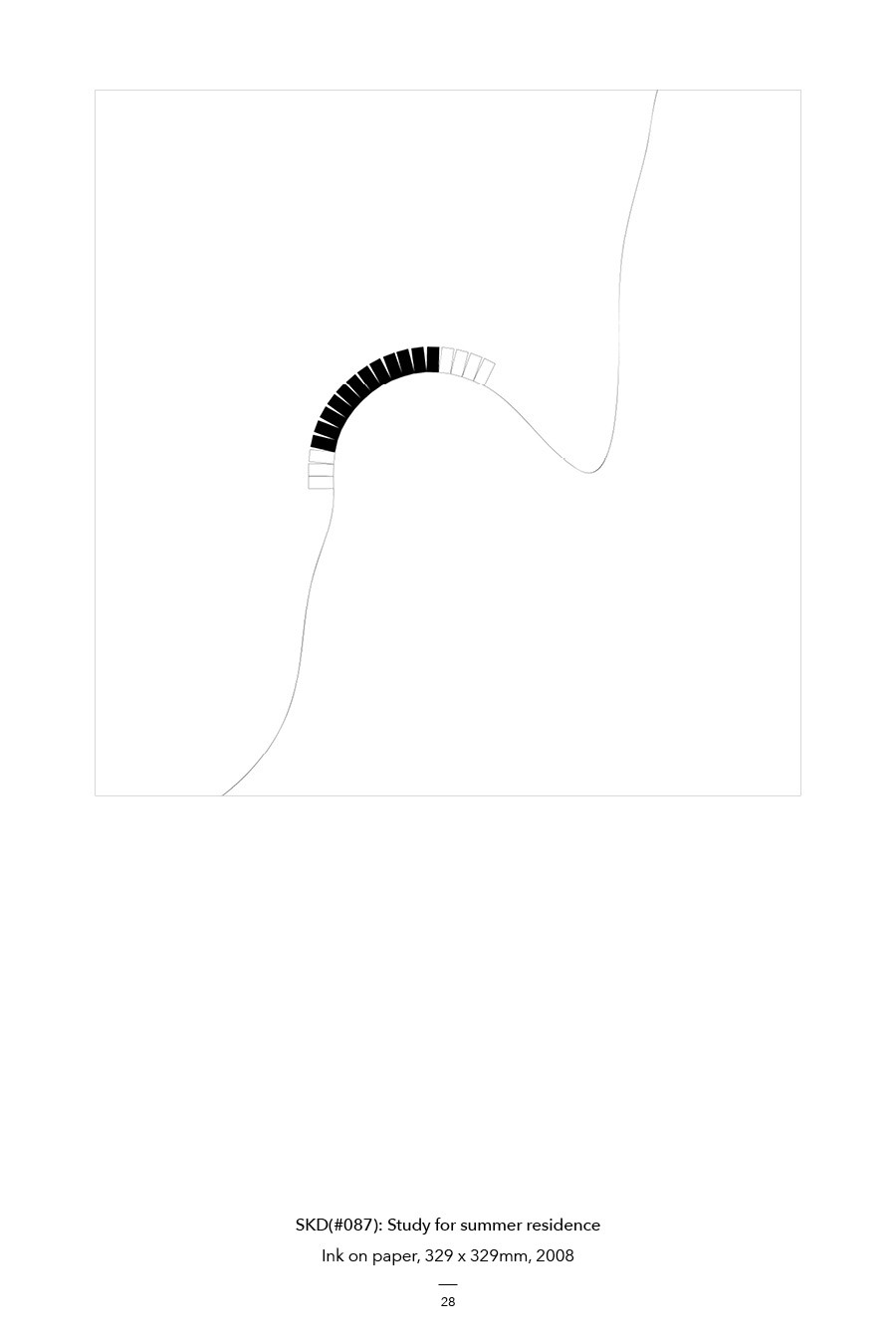
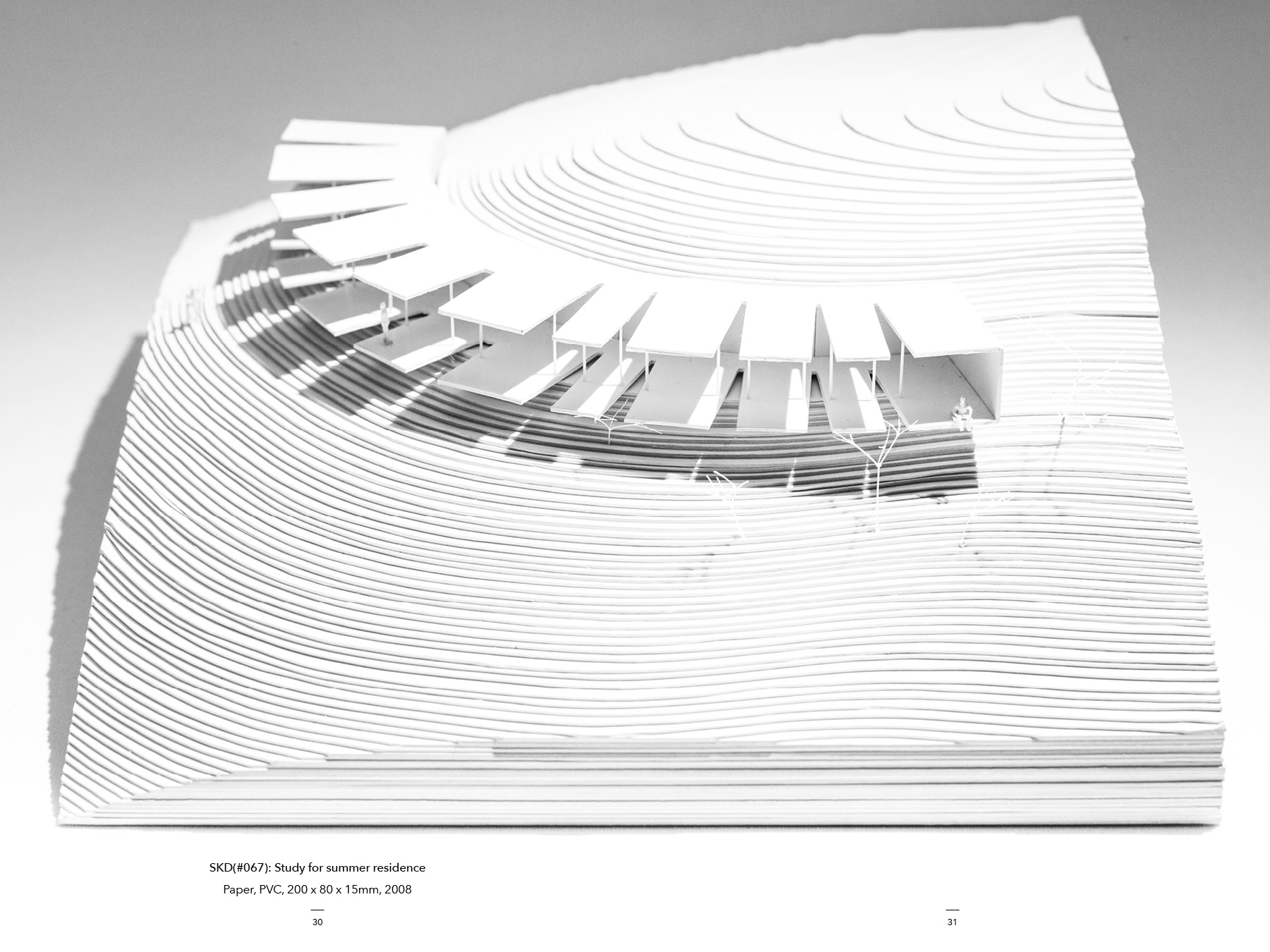
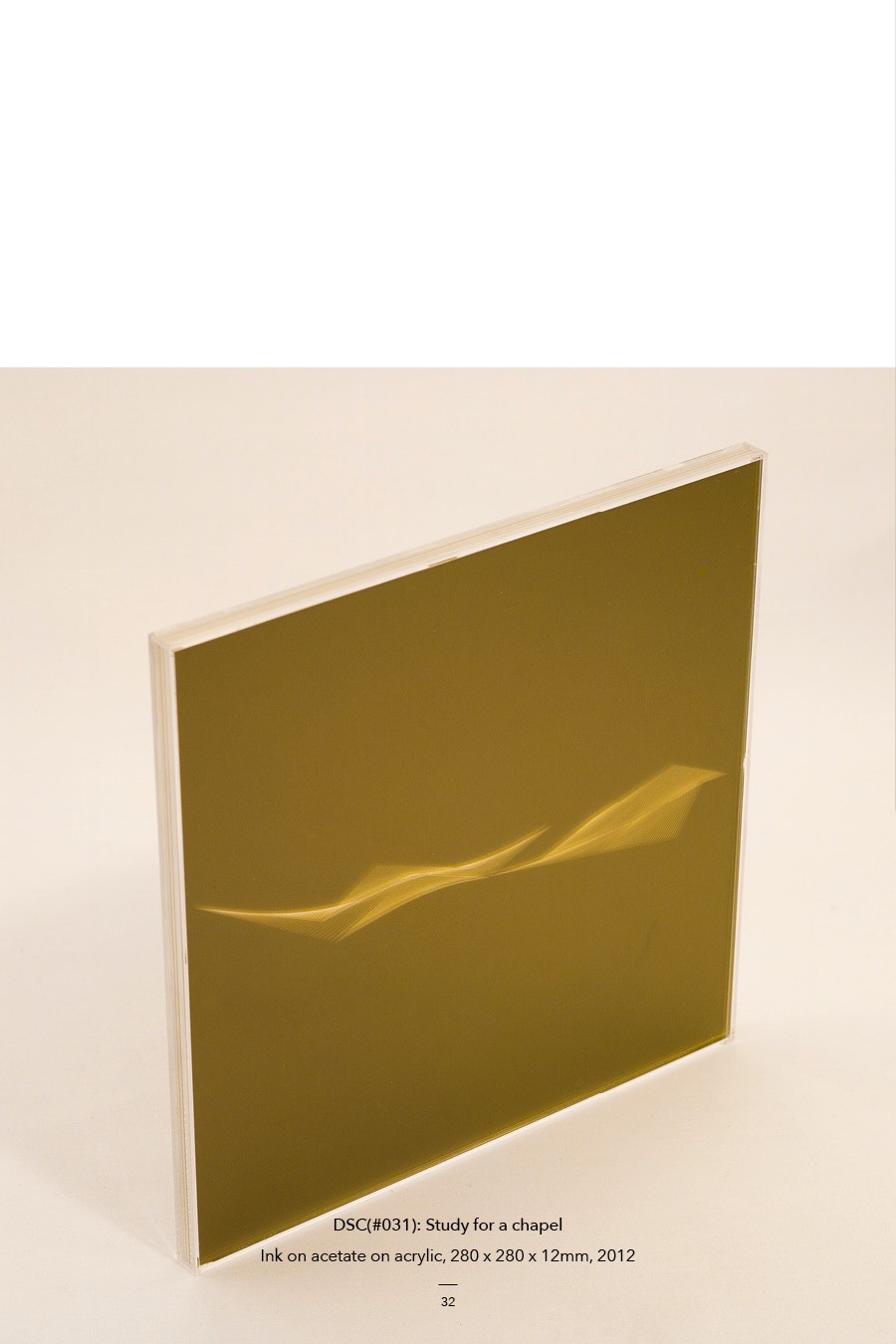
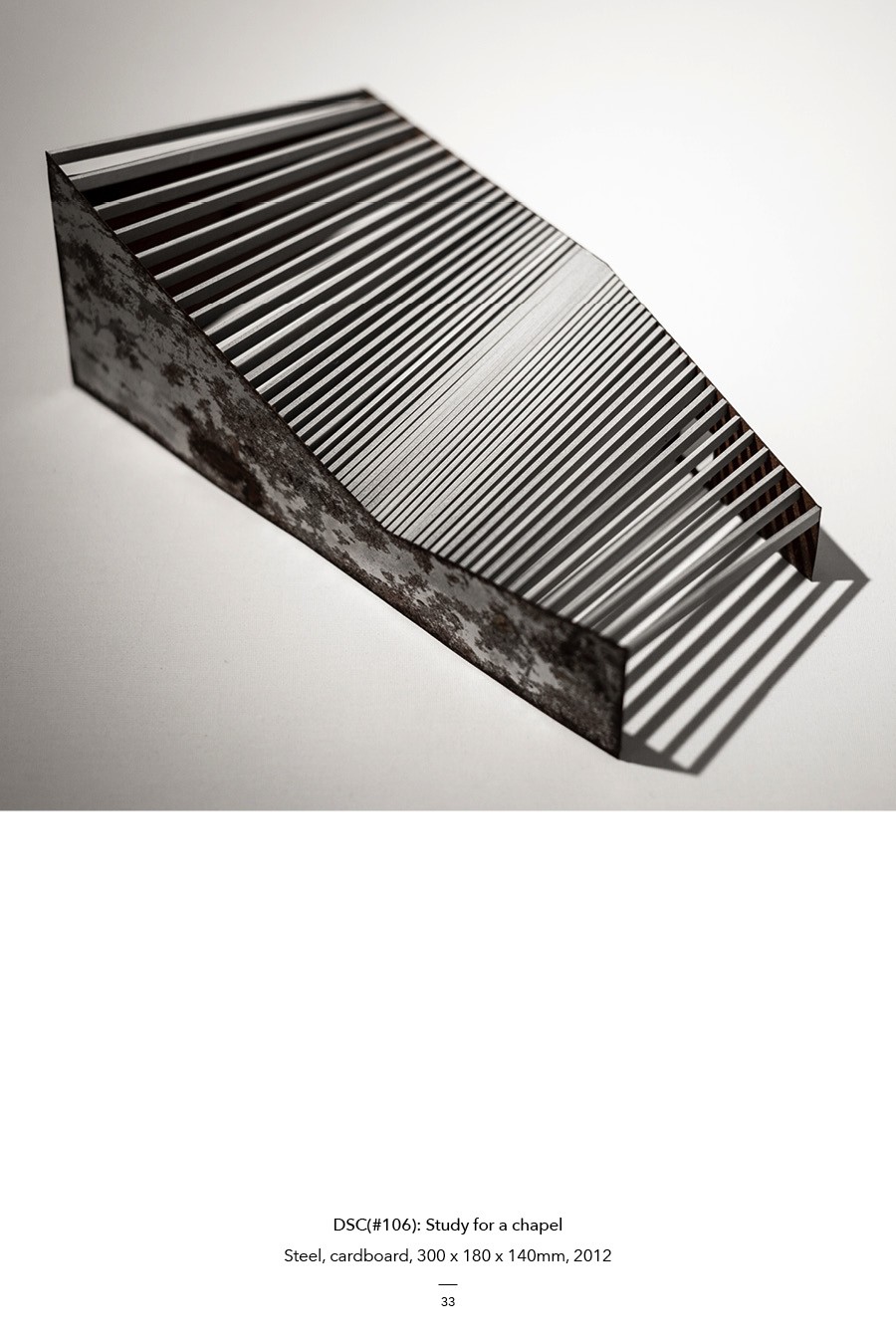
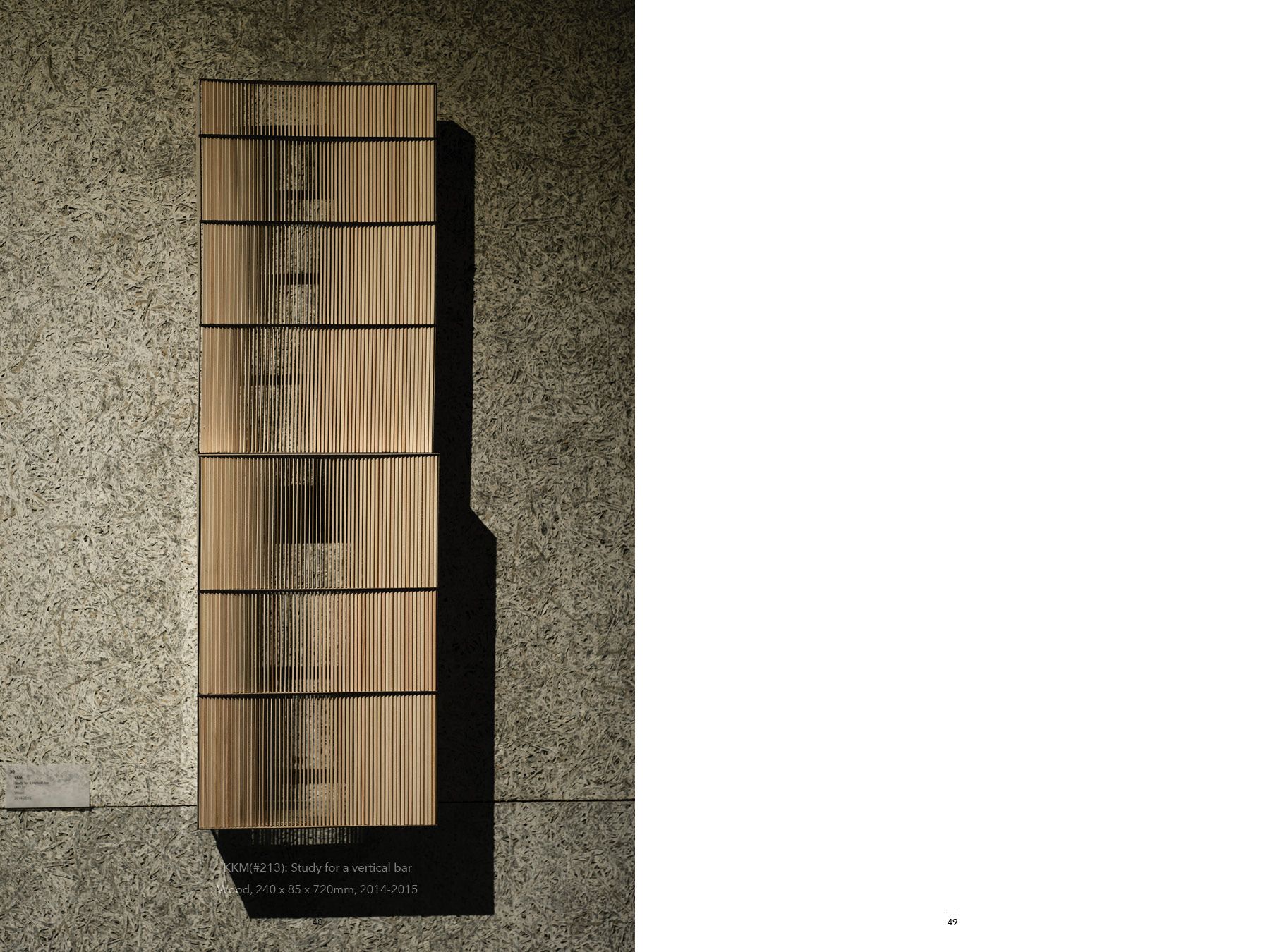
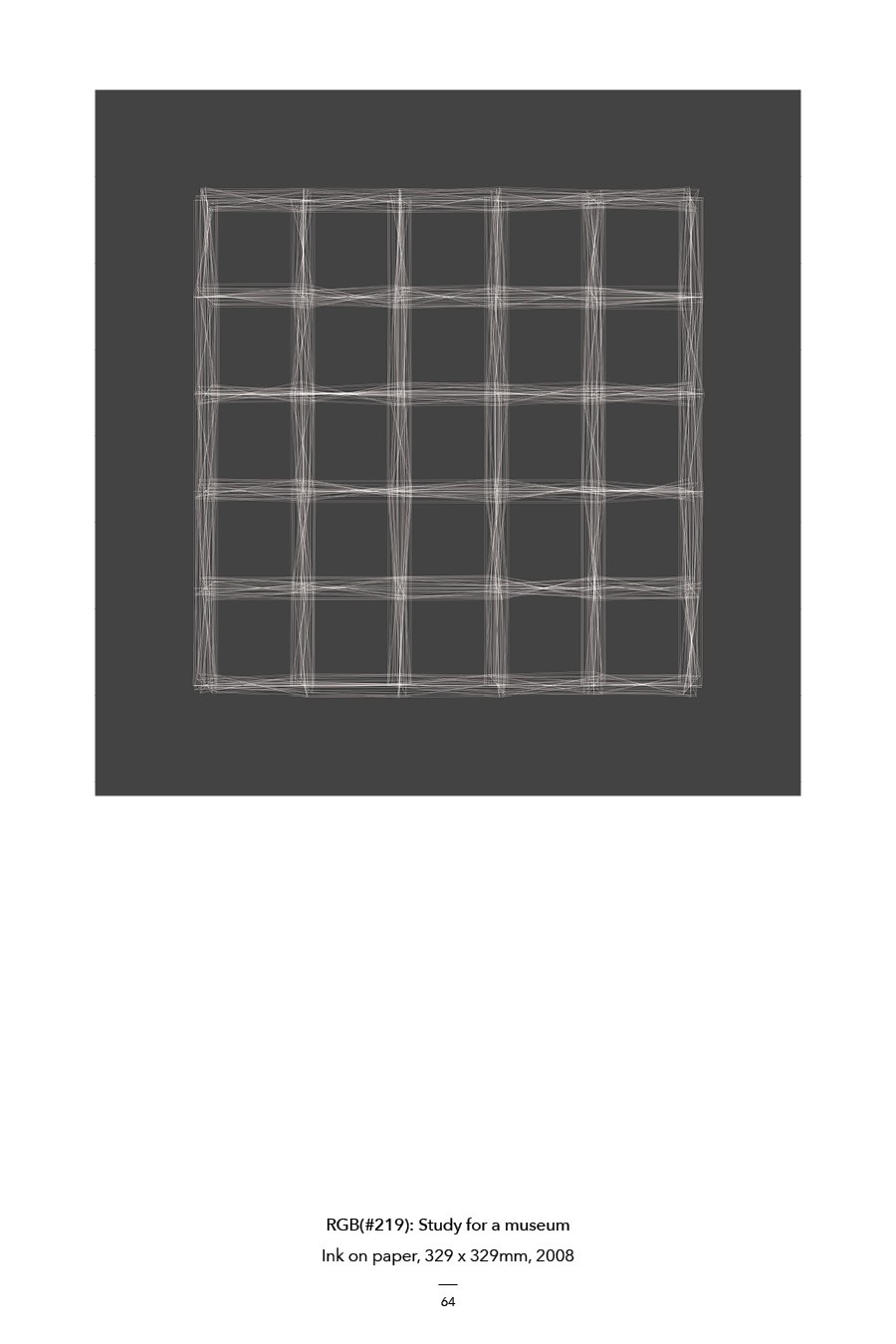
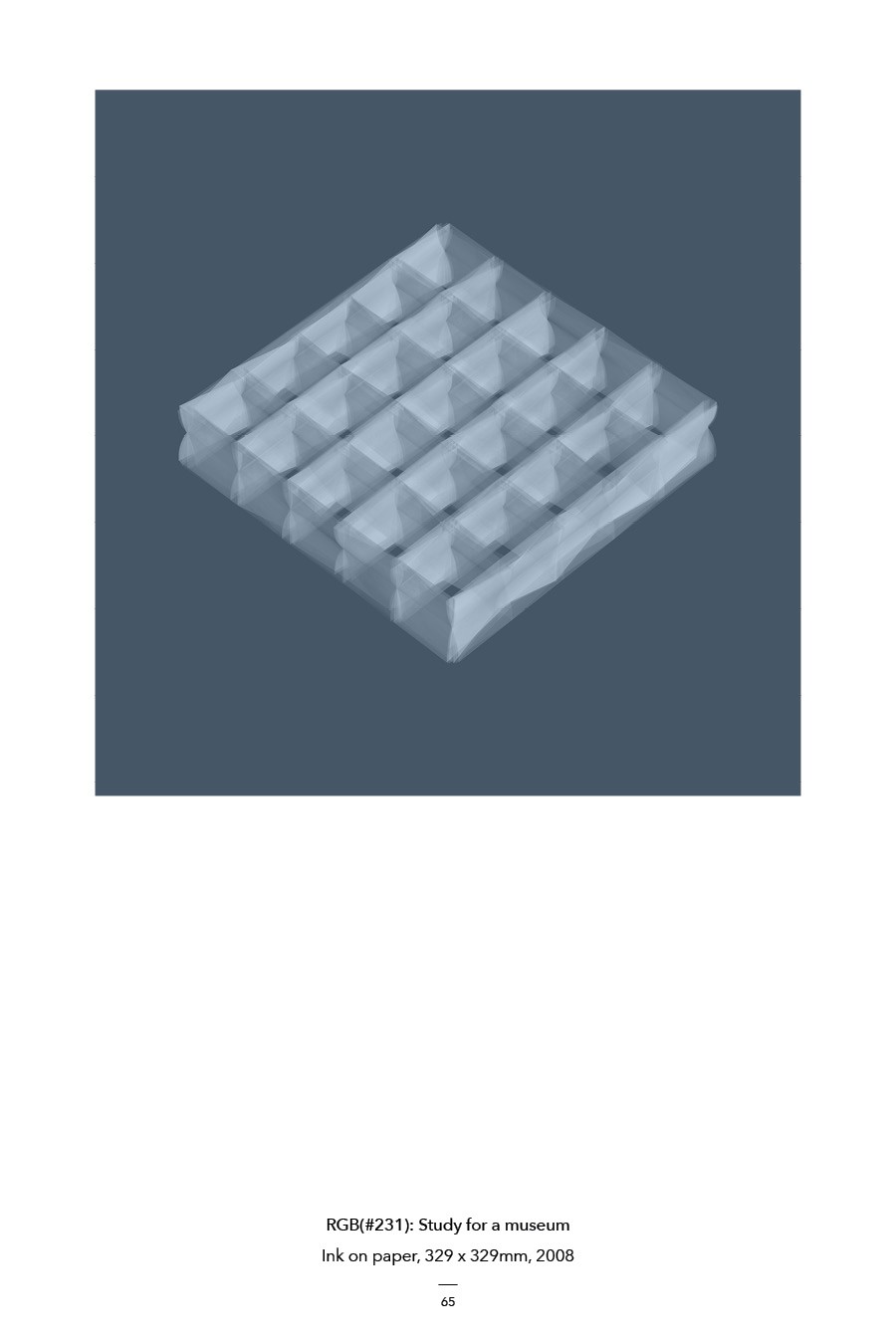
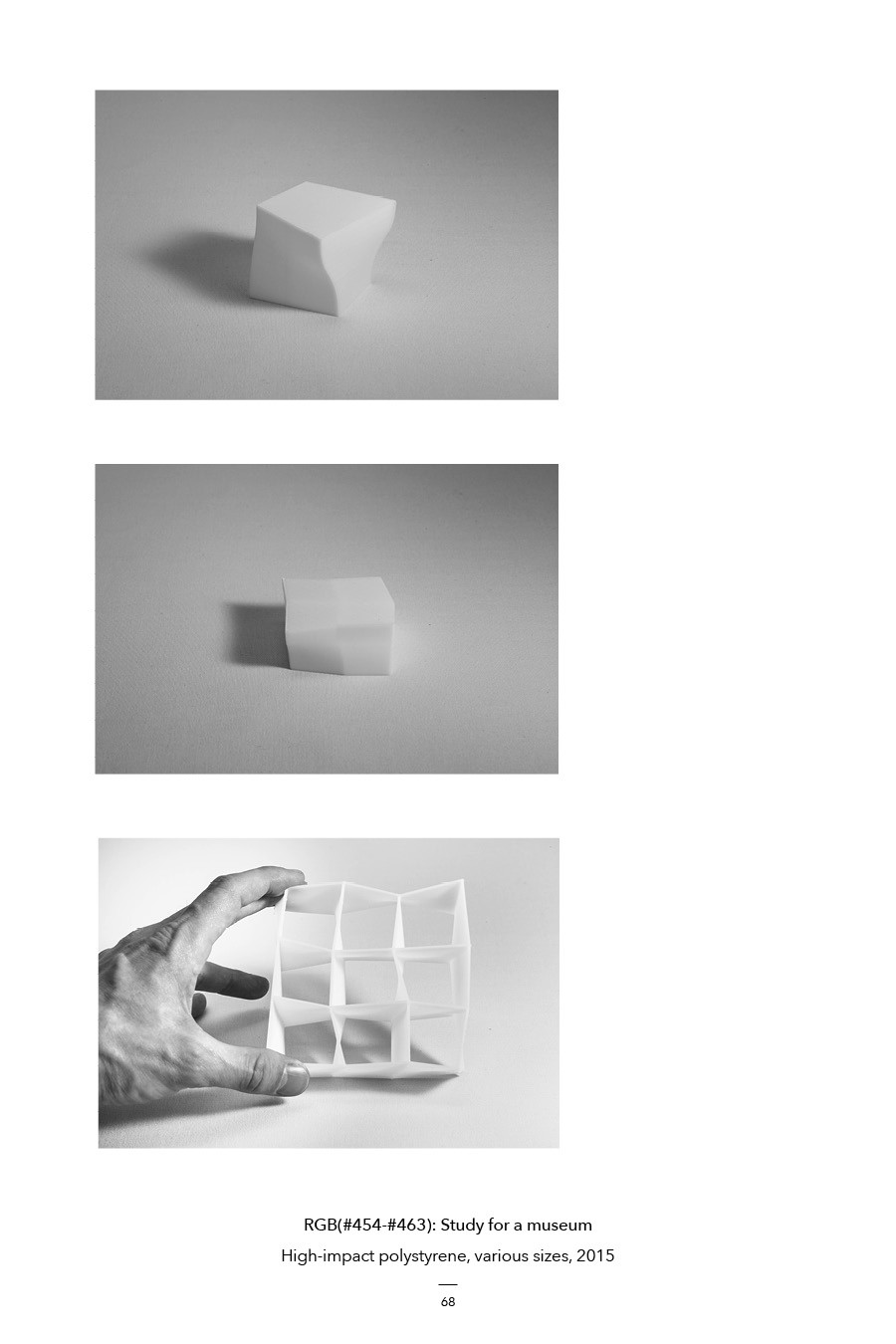
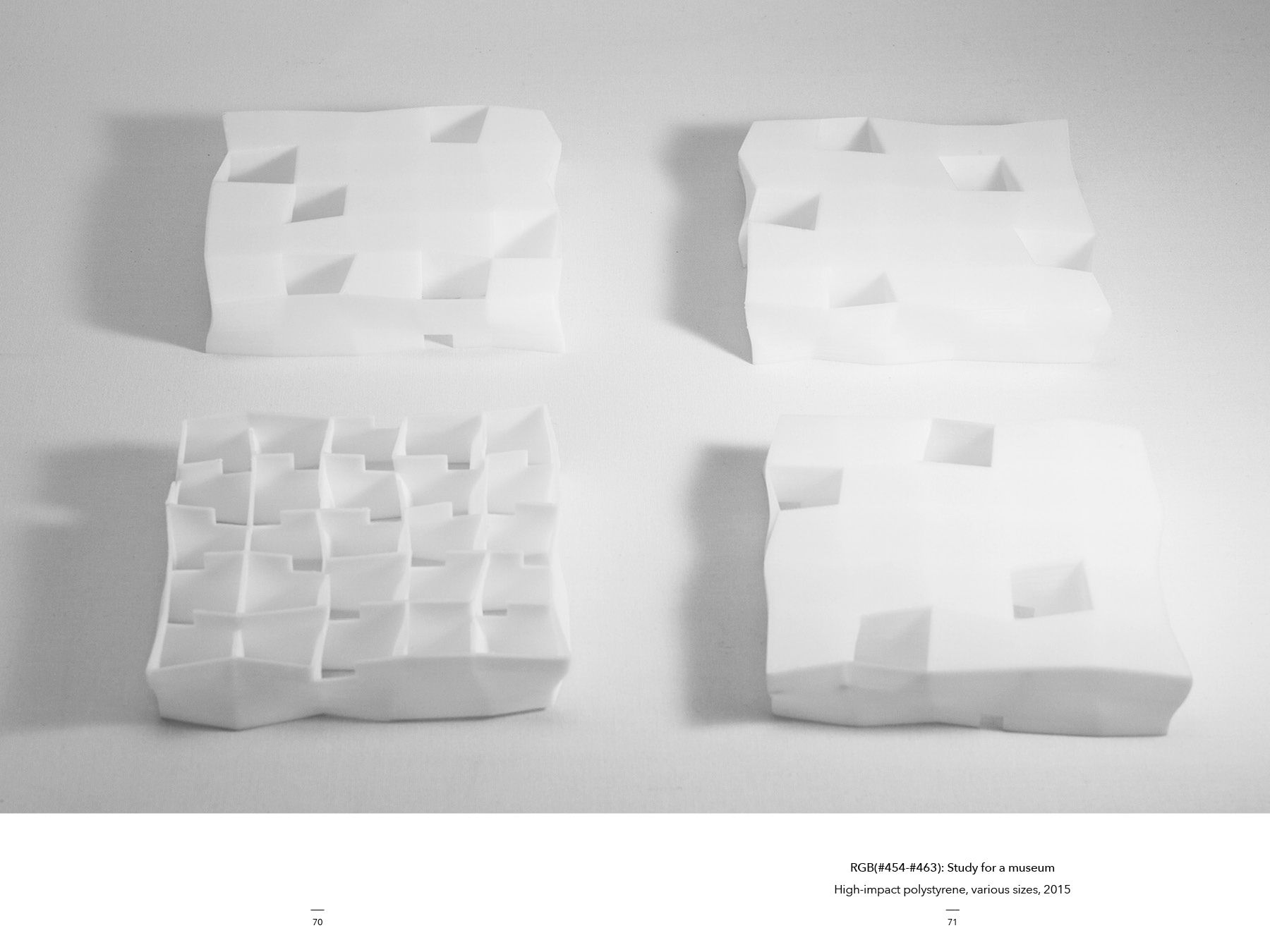
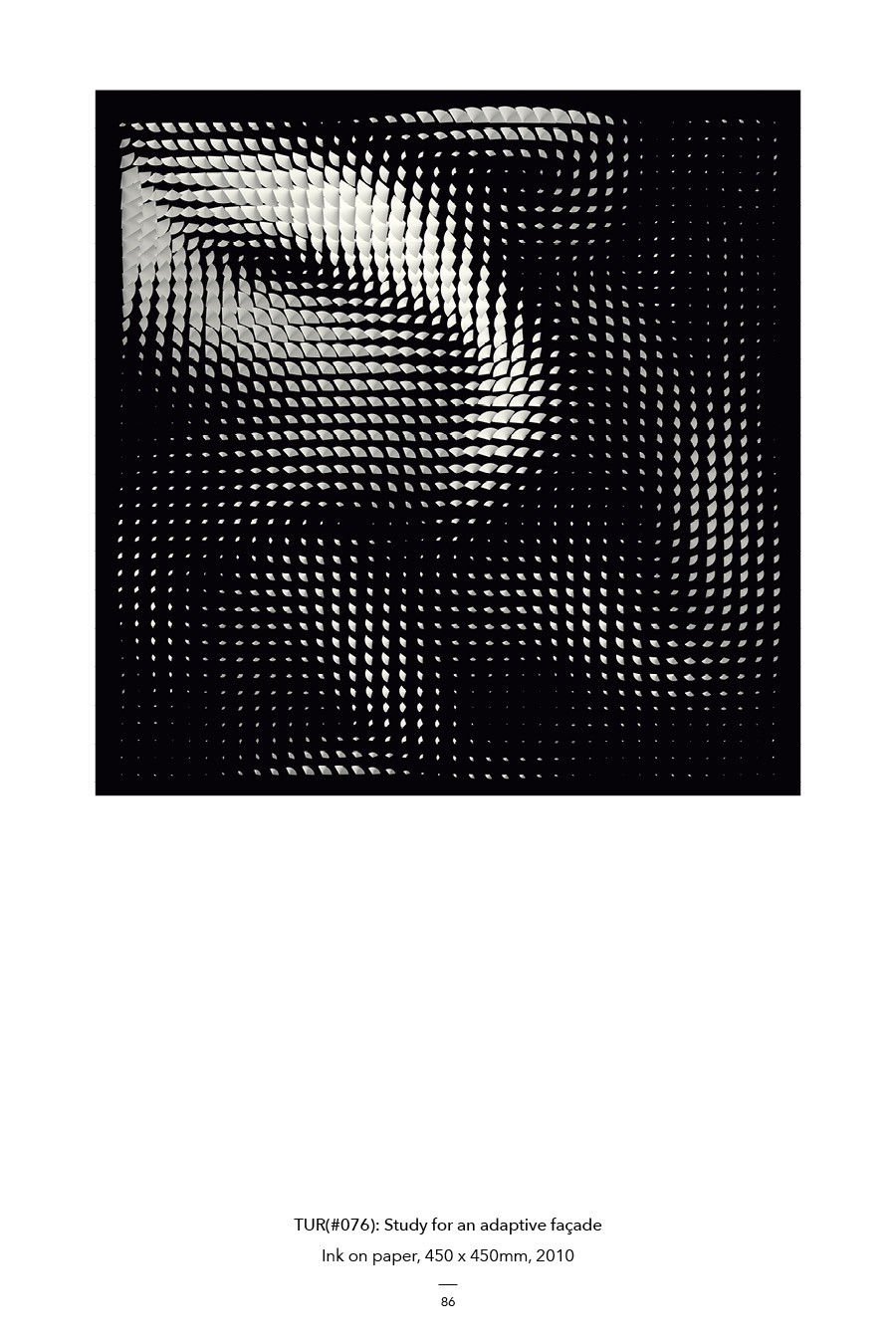
In a kind of “test-run” of K8’s vertical gallery space, 100 exhibits showed the behind the scenes of the then just over five-year-old FBA.
–
K8 ギャラリー ・ K8 Gallery
Reviews:
Inside an Architecture Exhibition That Shows Its Insides
Anatomy of Space, staged inside a gallery designed by Florian Busch Architects themselves, turns the usual architectural exhibition inside out. Instead of glossy photographs of finished forms, it focuses on the workings beneath the surface. Drawings, models and studies chart the underlying logic of projects, a forensic autopsy showing the difference between an architectural system and the form it eventually produces.
[…]
What emerges is a reminder that buildings are less about image-making than about the careful calibration of material, regulation and use — and that this often invisible process is where architecture’s real intelligence lies.
—OW
Anatomy of Space
What becomes visible when architecture is taken apart
Architectural exhibitions usually arrive once buildings have settled into certainty. Photographed and resolved, architecture is presented as something complete. Anatomy of Space begins from a different position. By taking architecture apart and exposing the decisions and adjustments that shape it, the exhibition asks what becomes visible when form is no longer treated as an endpoint. What emerges is not emptiness, but structure.
Space appears as something composed through constraint, context, and use rather than simply seen. The question feels particularly apt in Kyoto, a city where architecture has long been defined as much by restraint as by expression.
The setting matters. The exhibition is housed in the newly completed K8 gallery, designed by Florian Busch Architects themselves, and set among the tight back alleys of Ponto-cho. The building negotiates a familiar Kyoto condition, balancing dense, improvised urban fabric with a tradition of radical spatial economy. It does not announce itself. Through compression, sequencing, and careful omission, it produces an interior calm that feels deliberate rather than decorative.
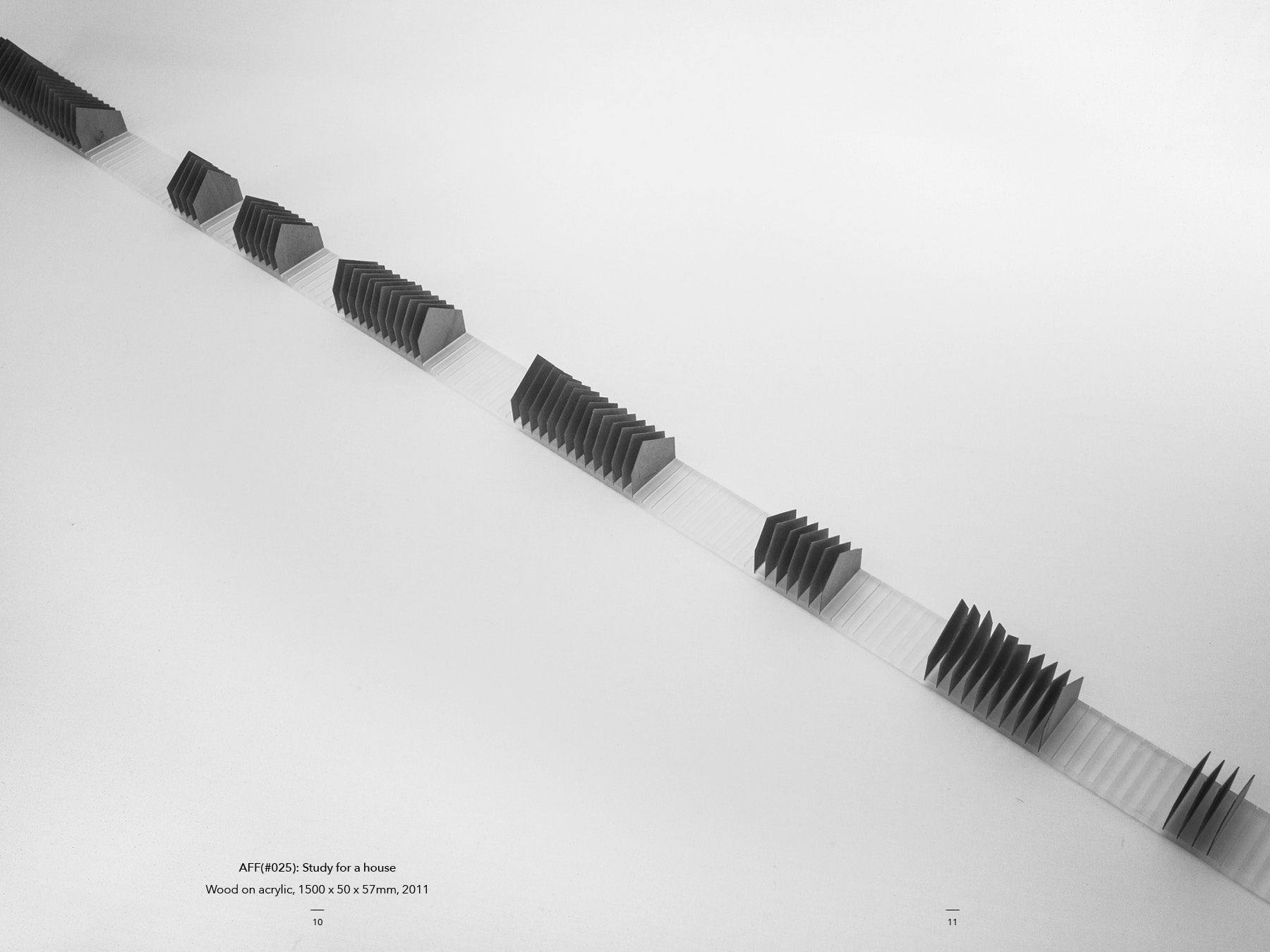
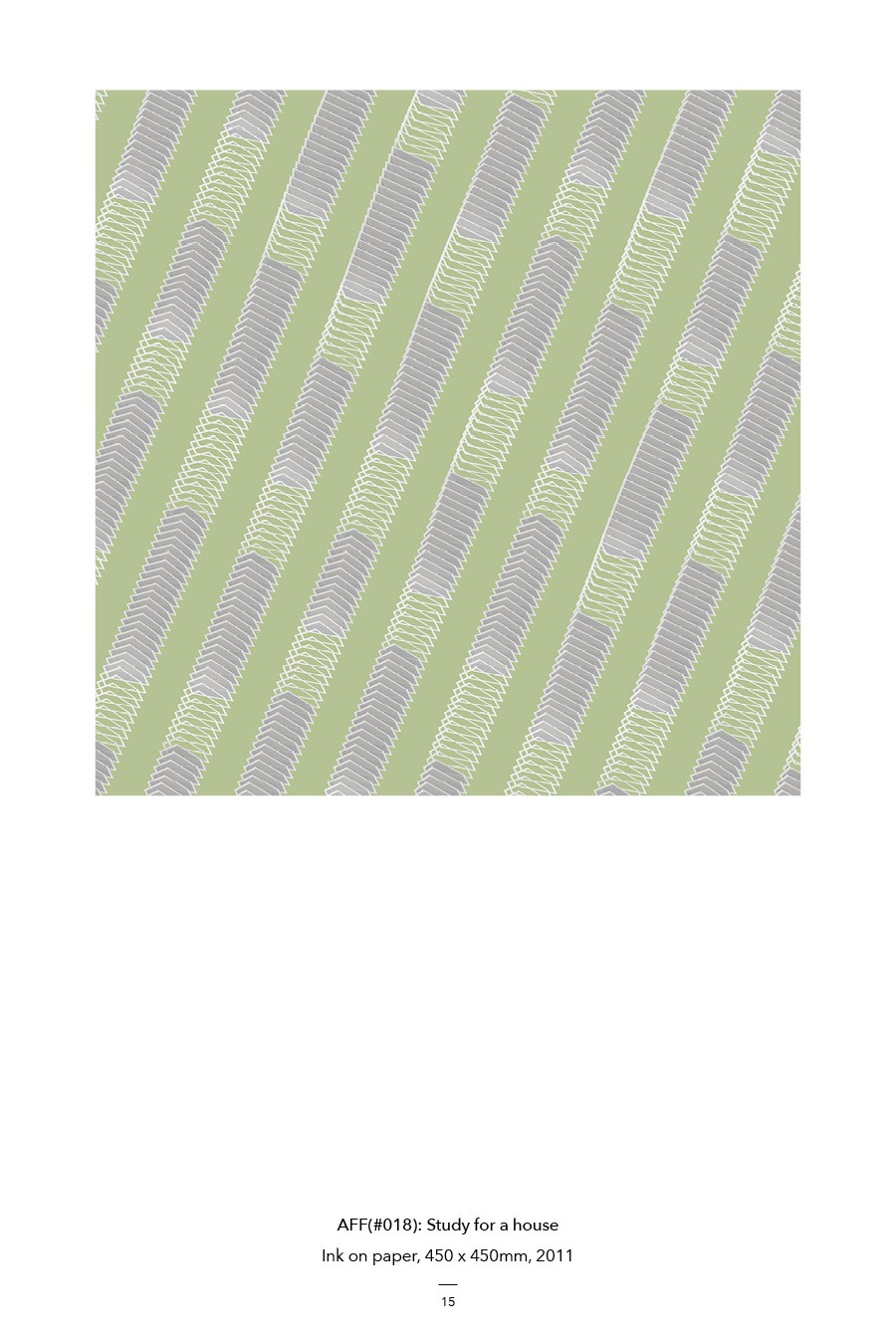
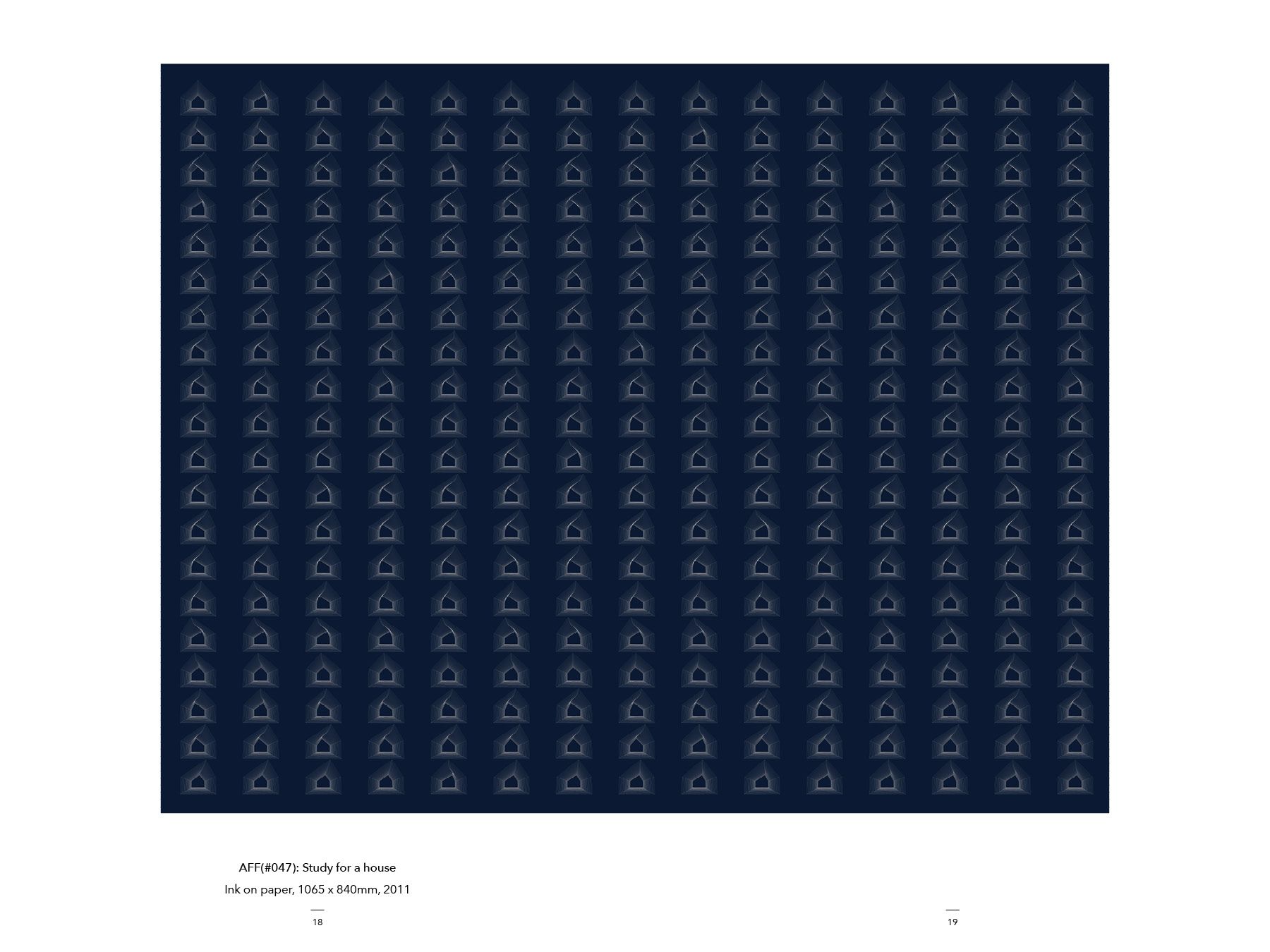
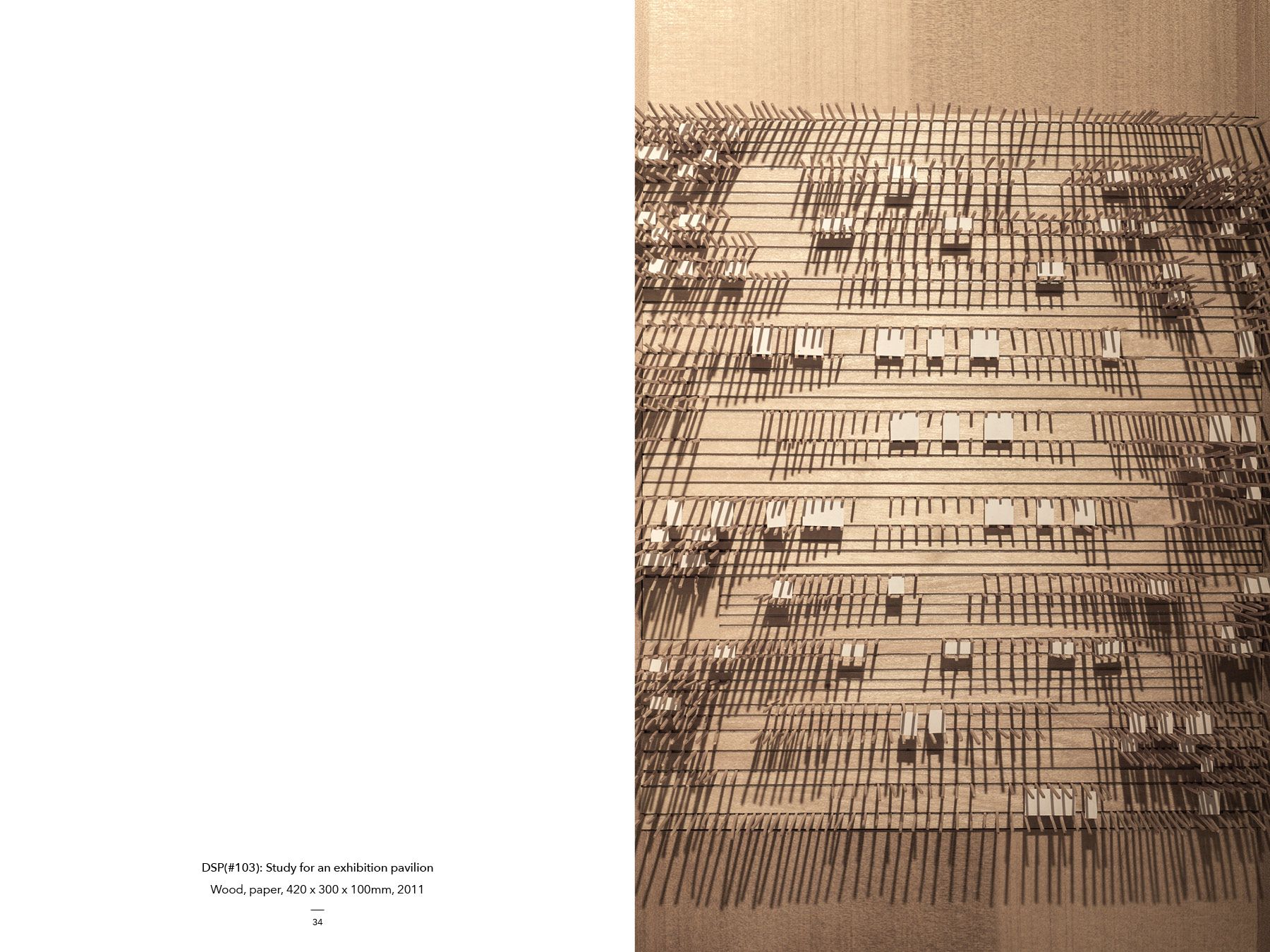
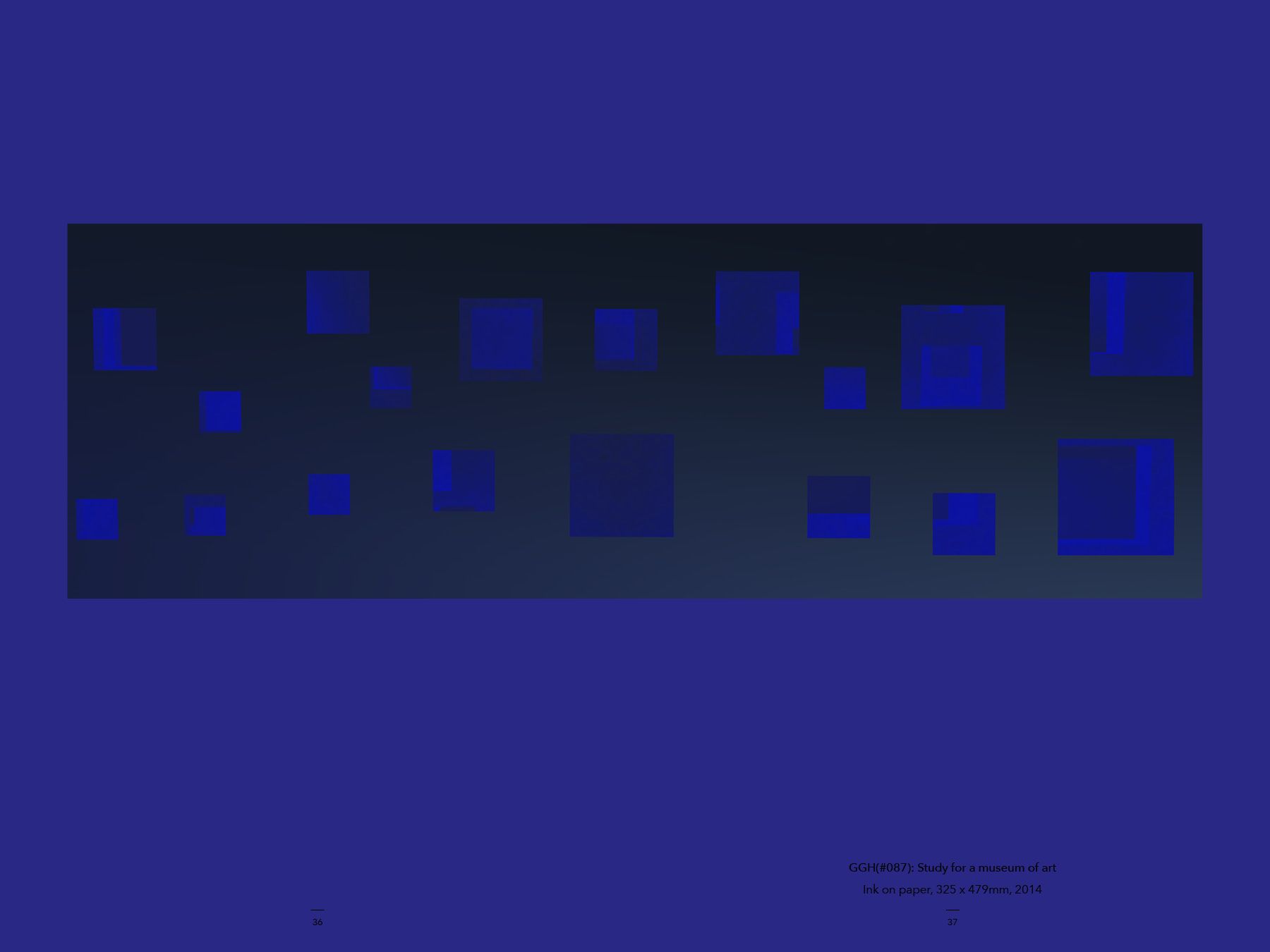
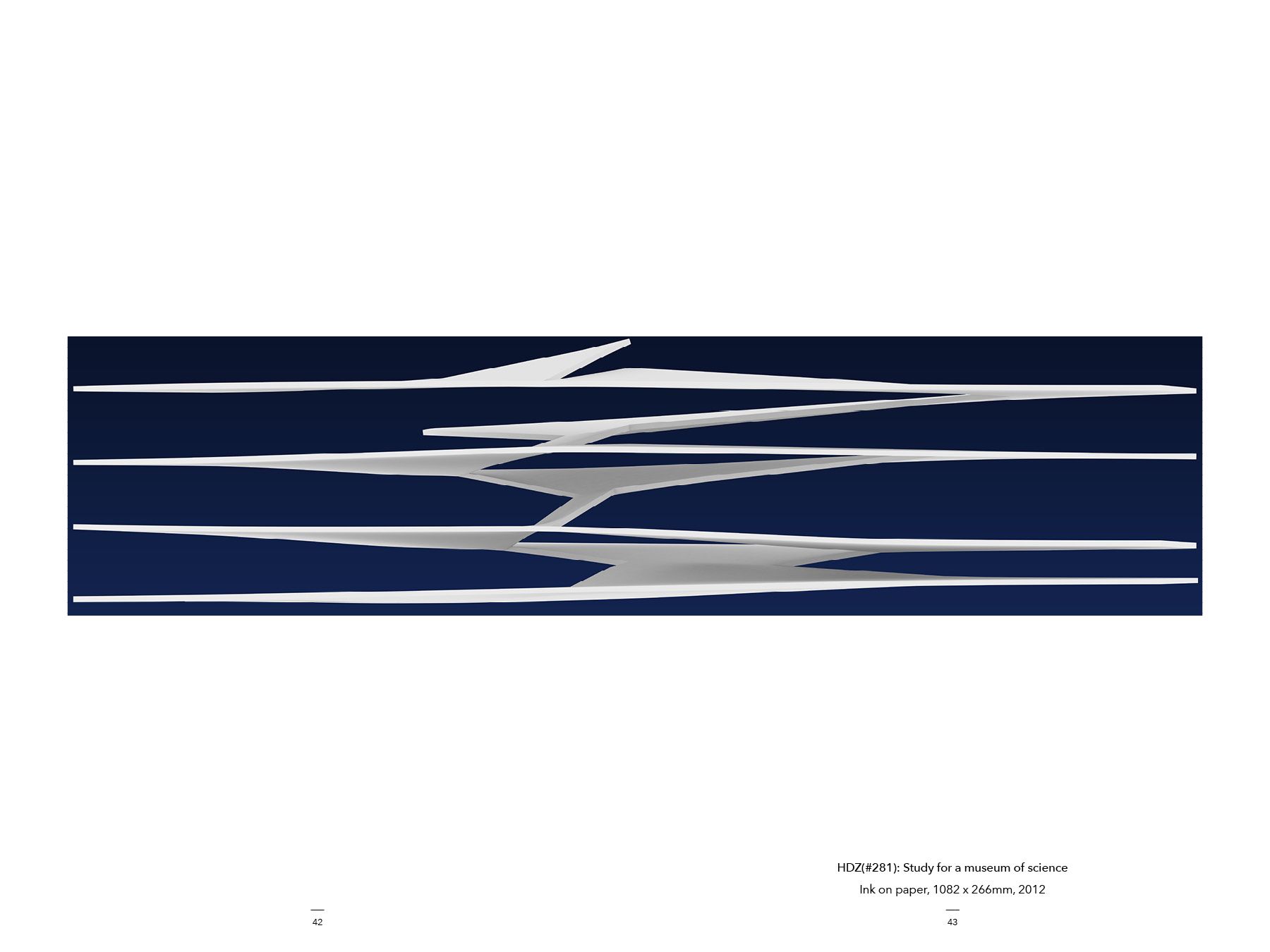
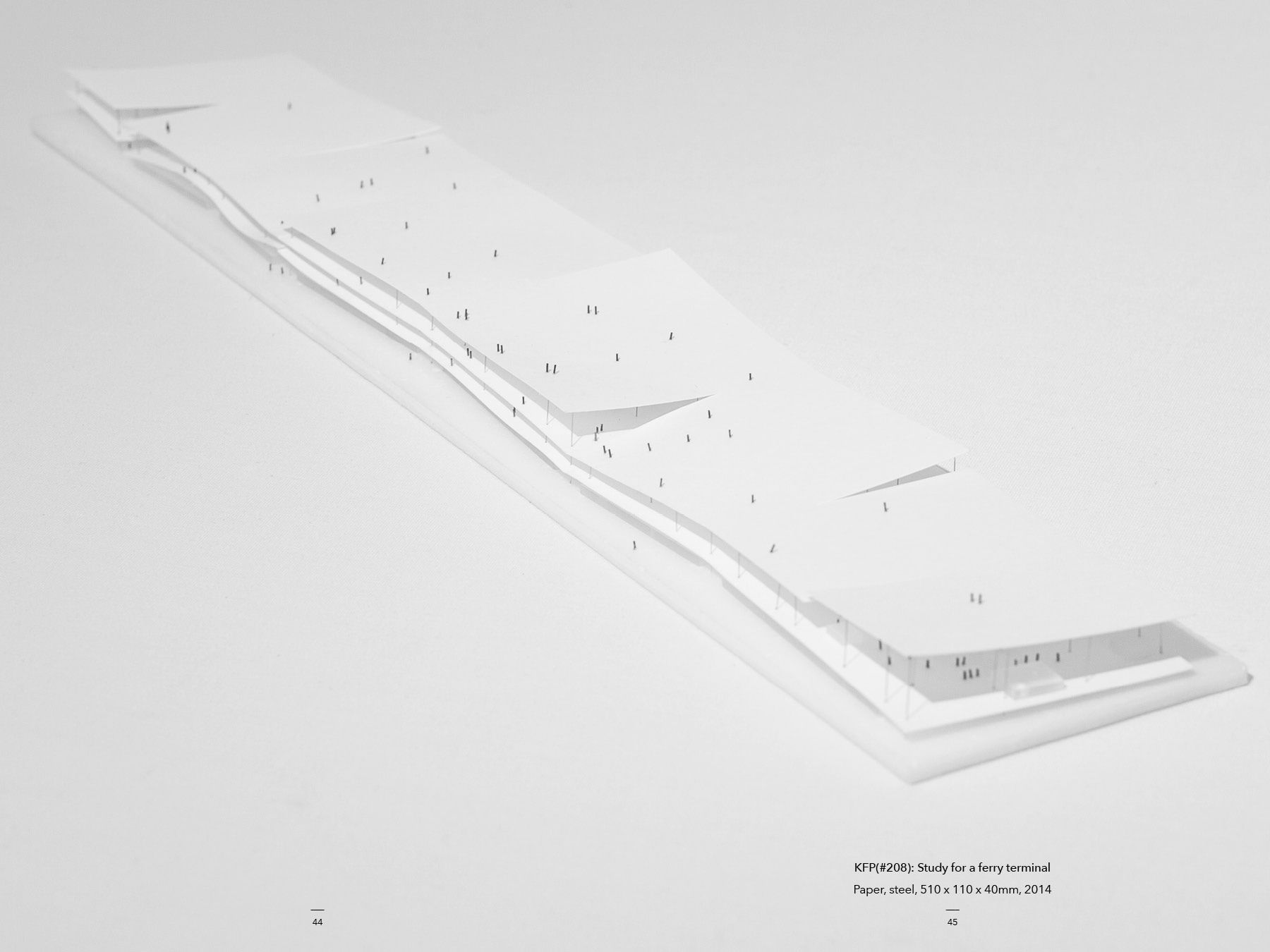
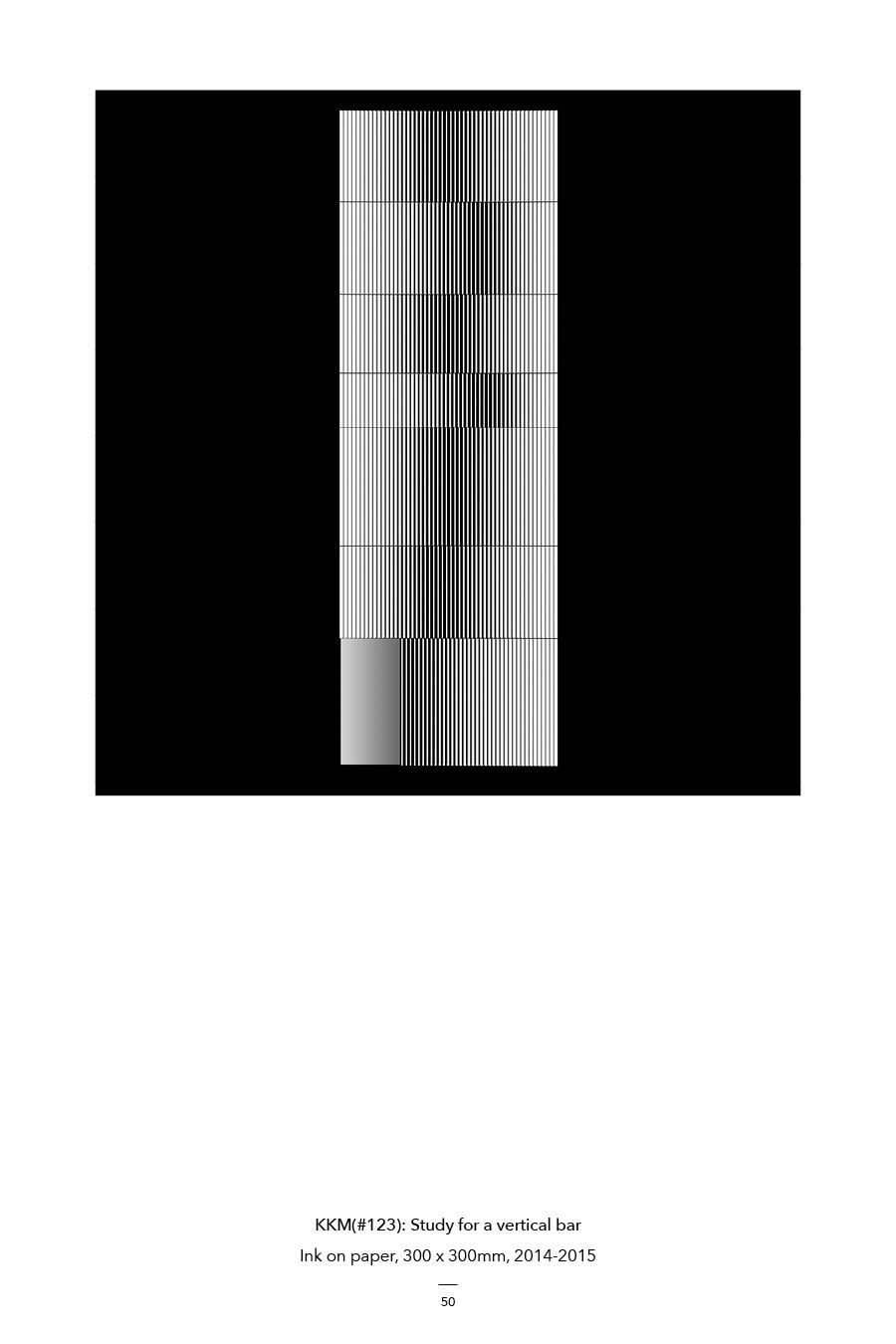
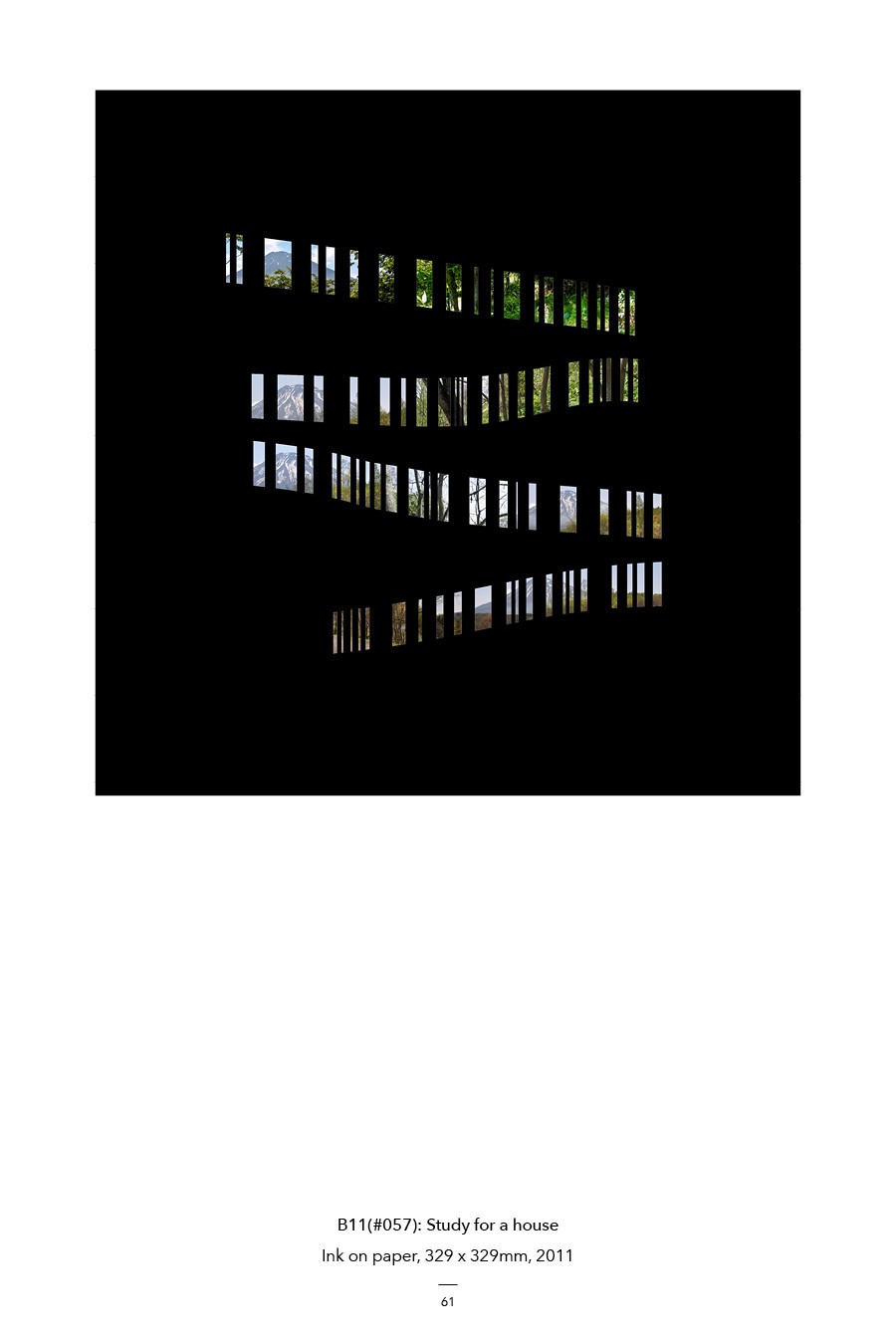
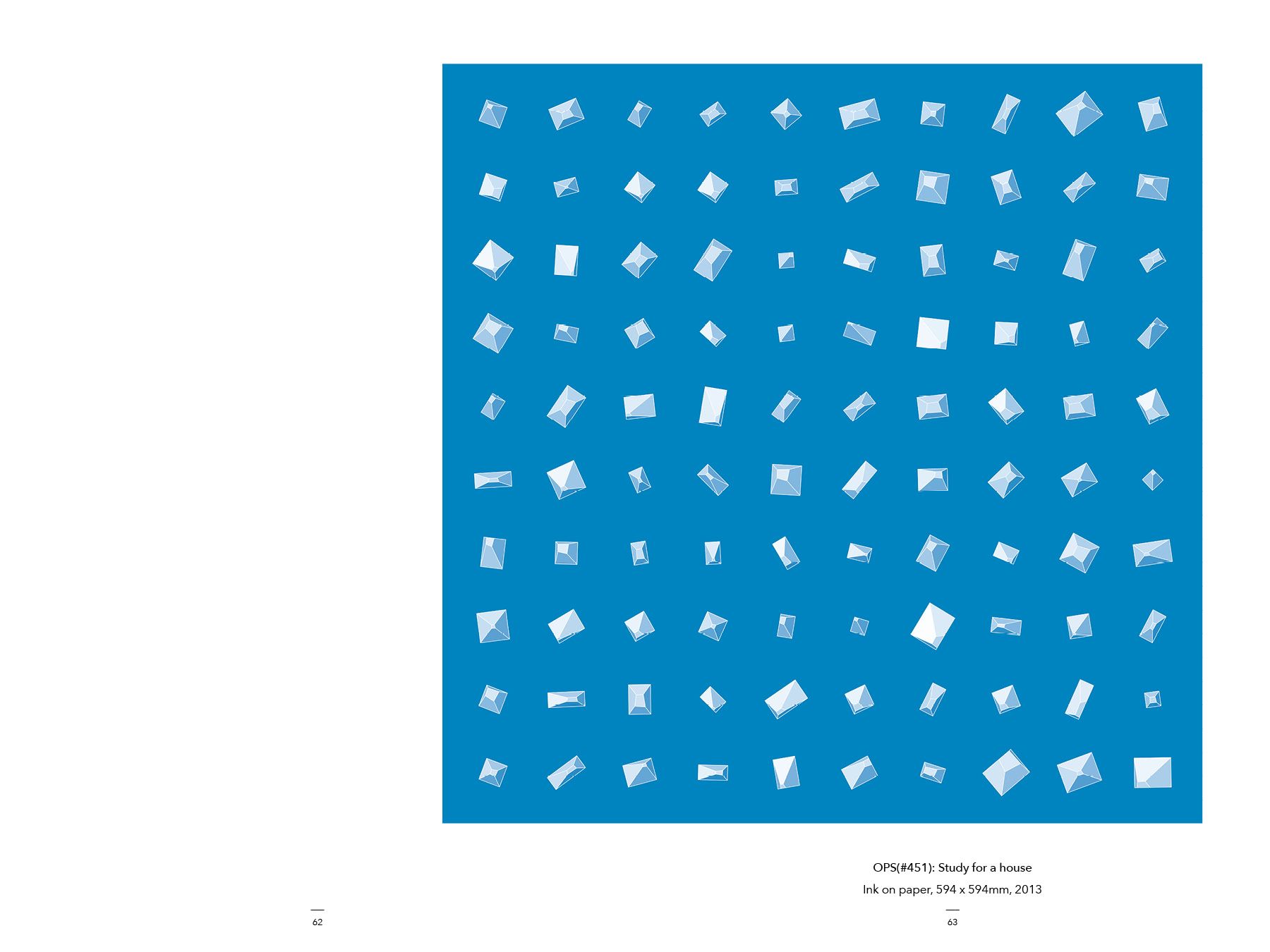
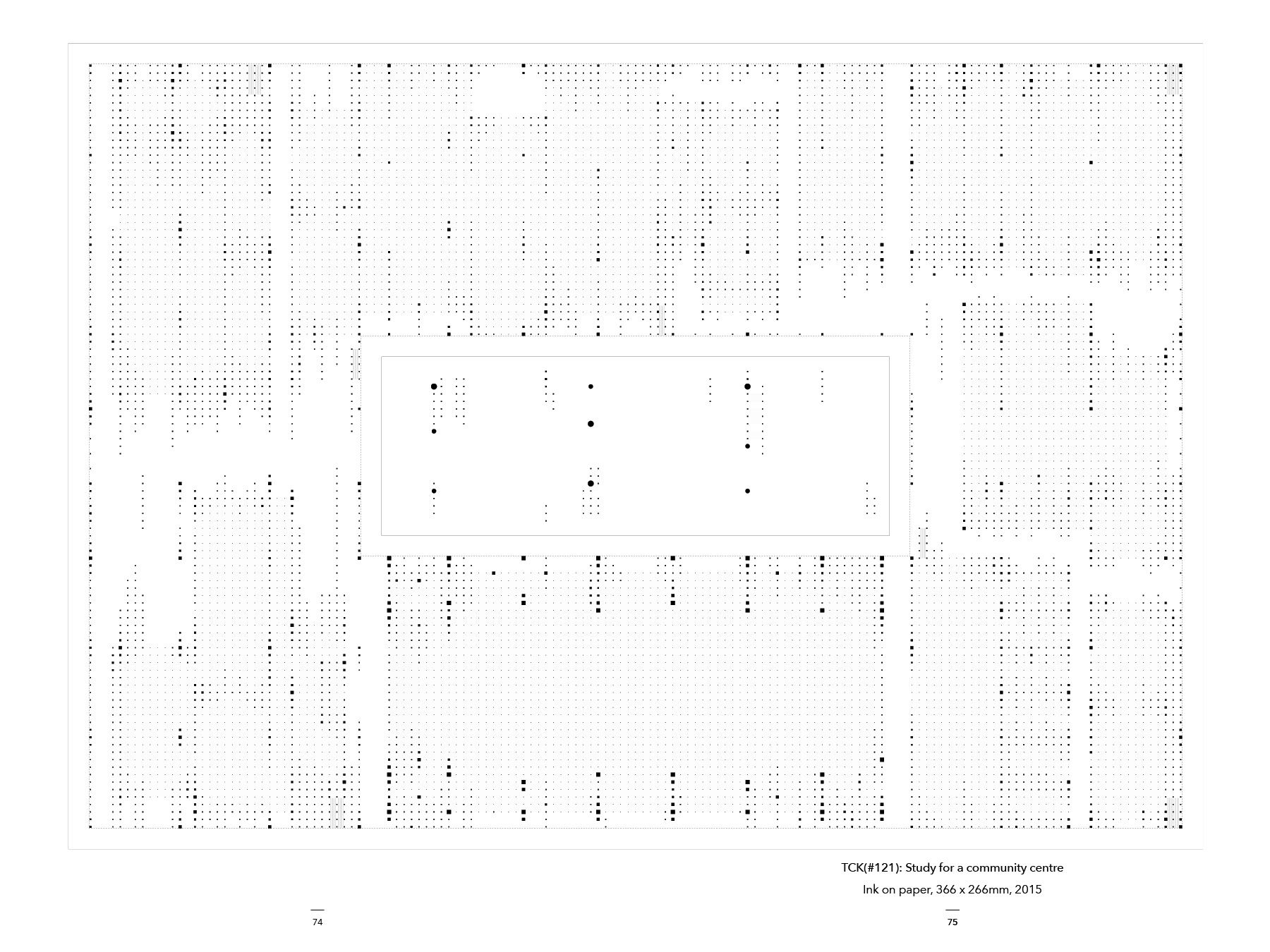
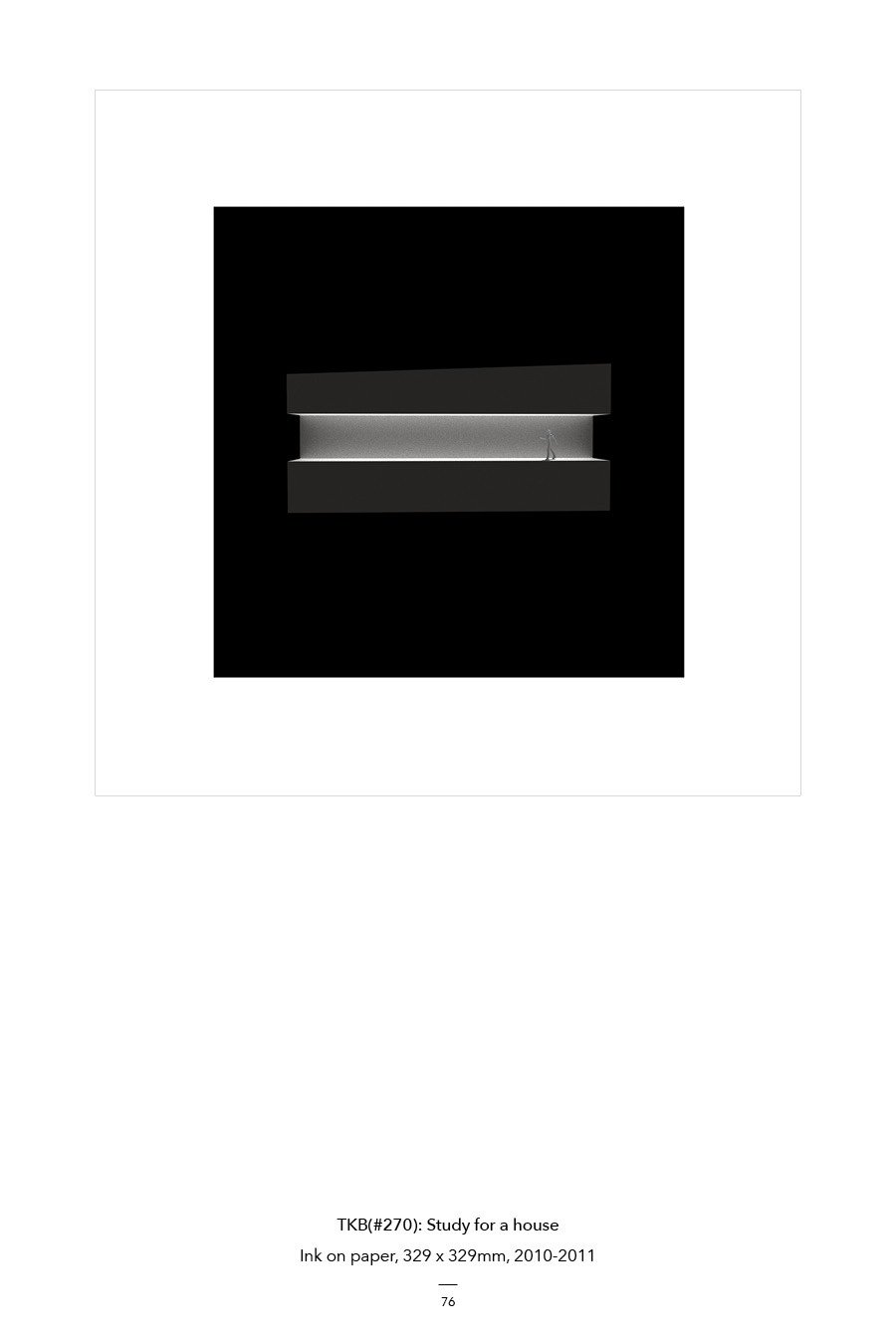
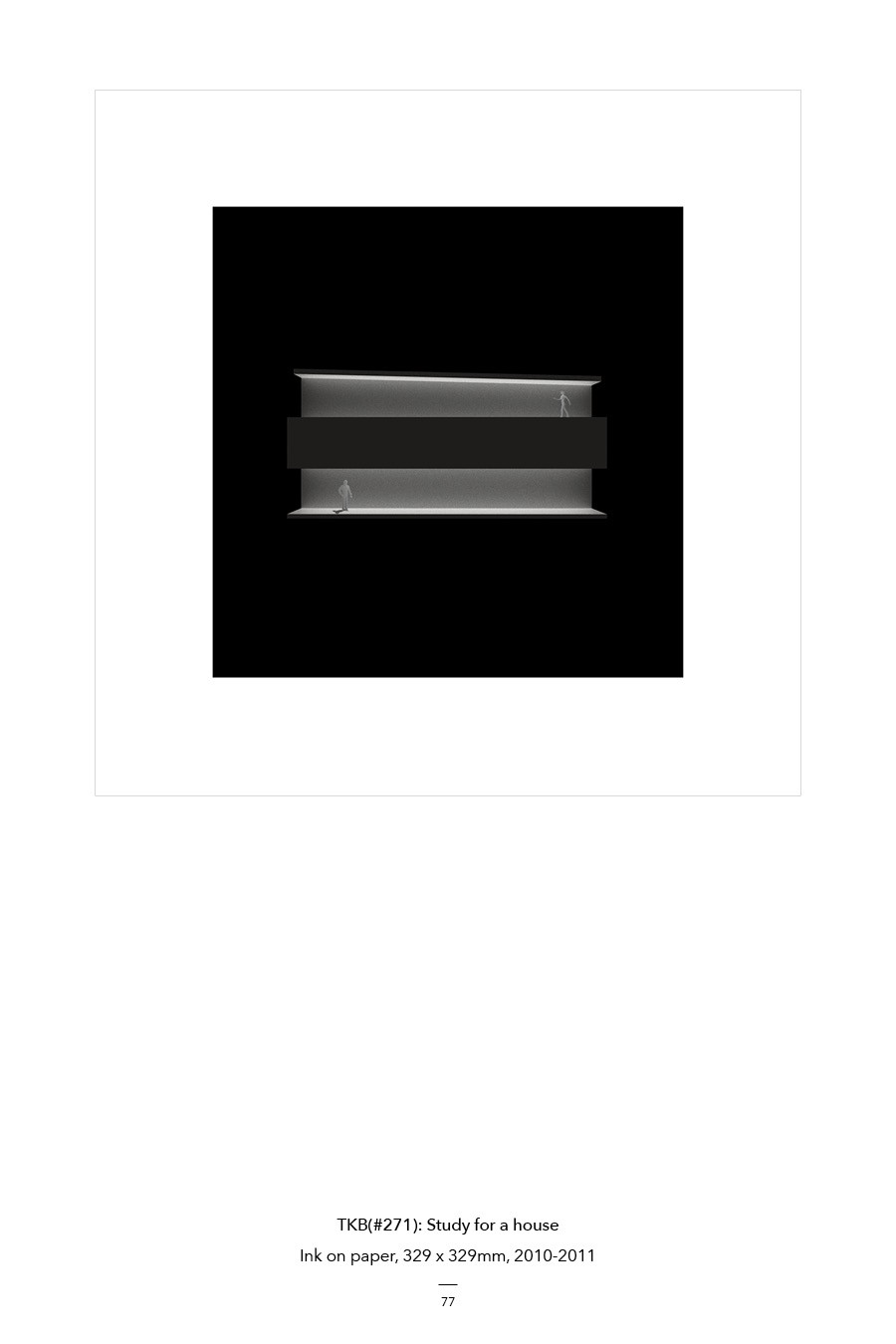
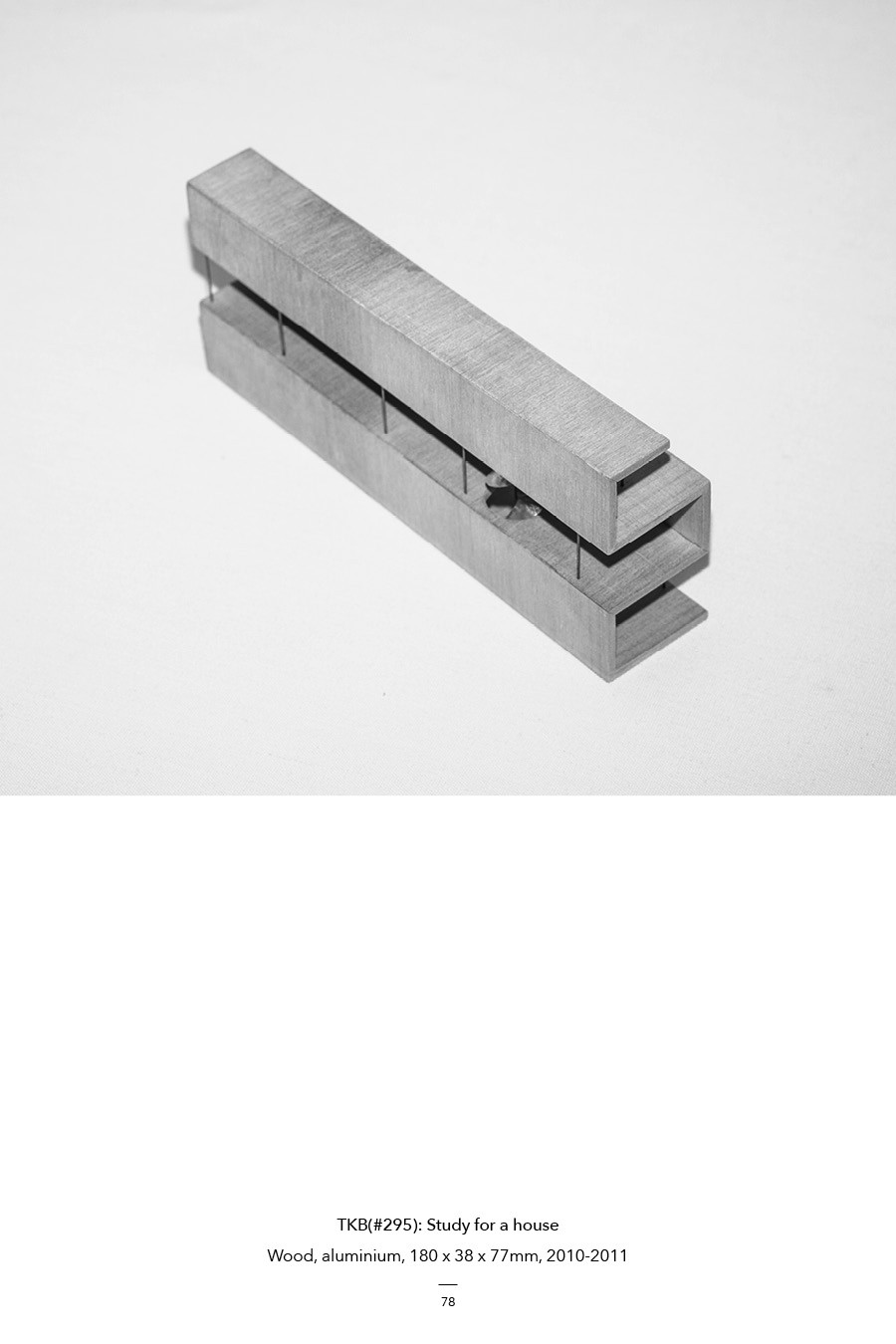
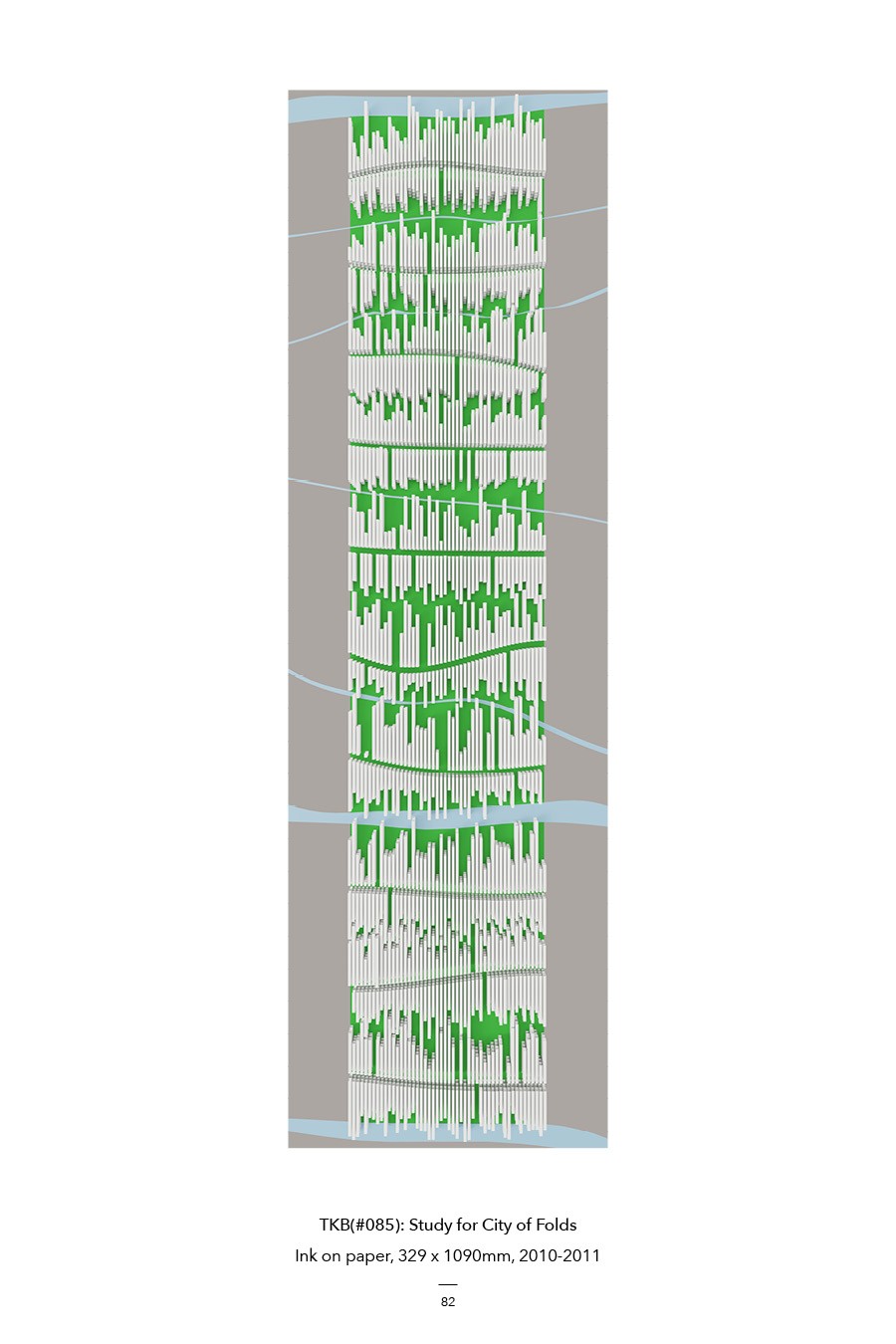
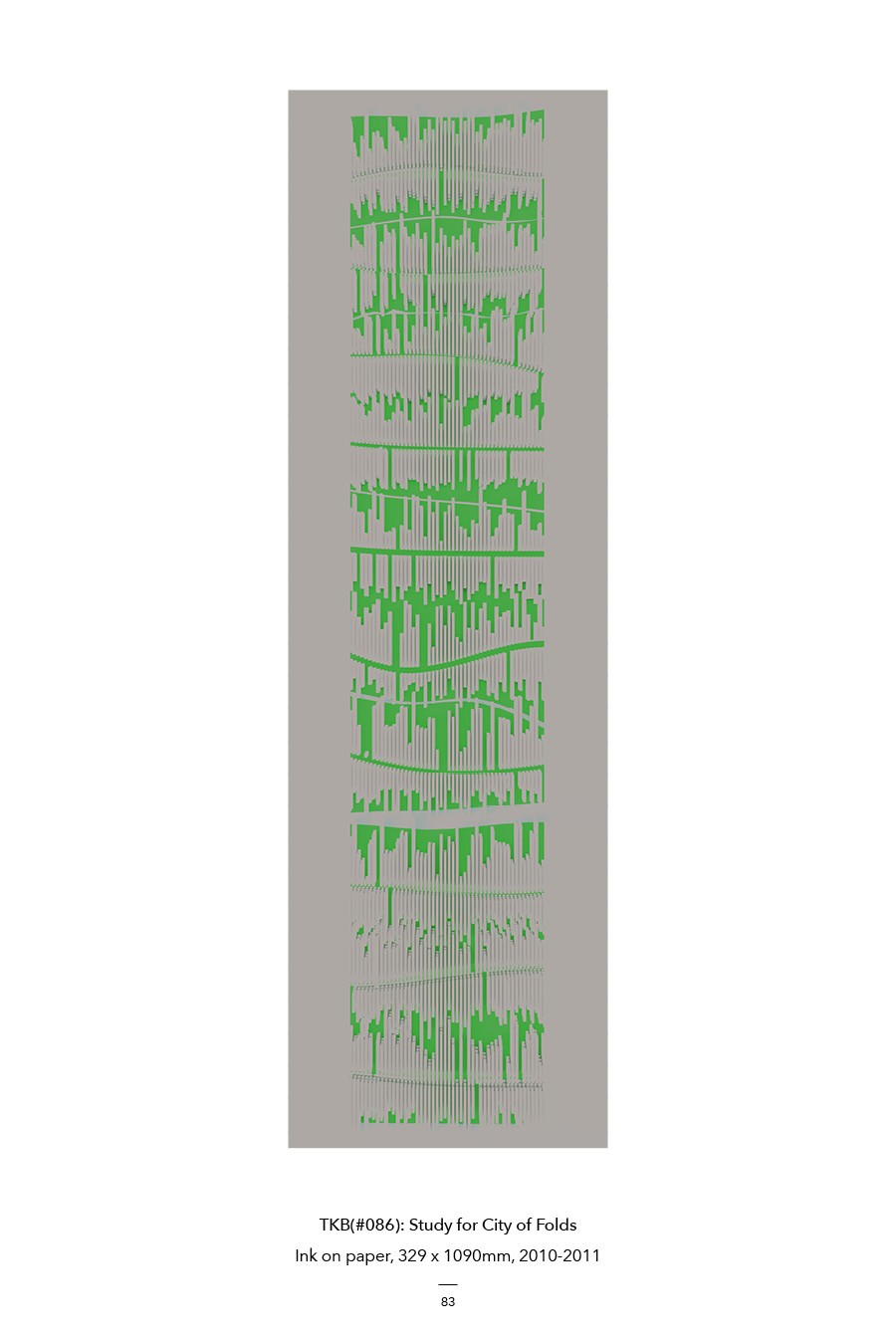
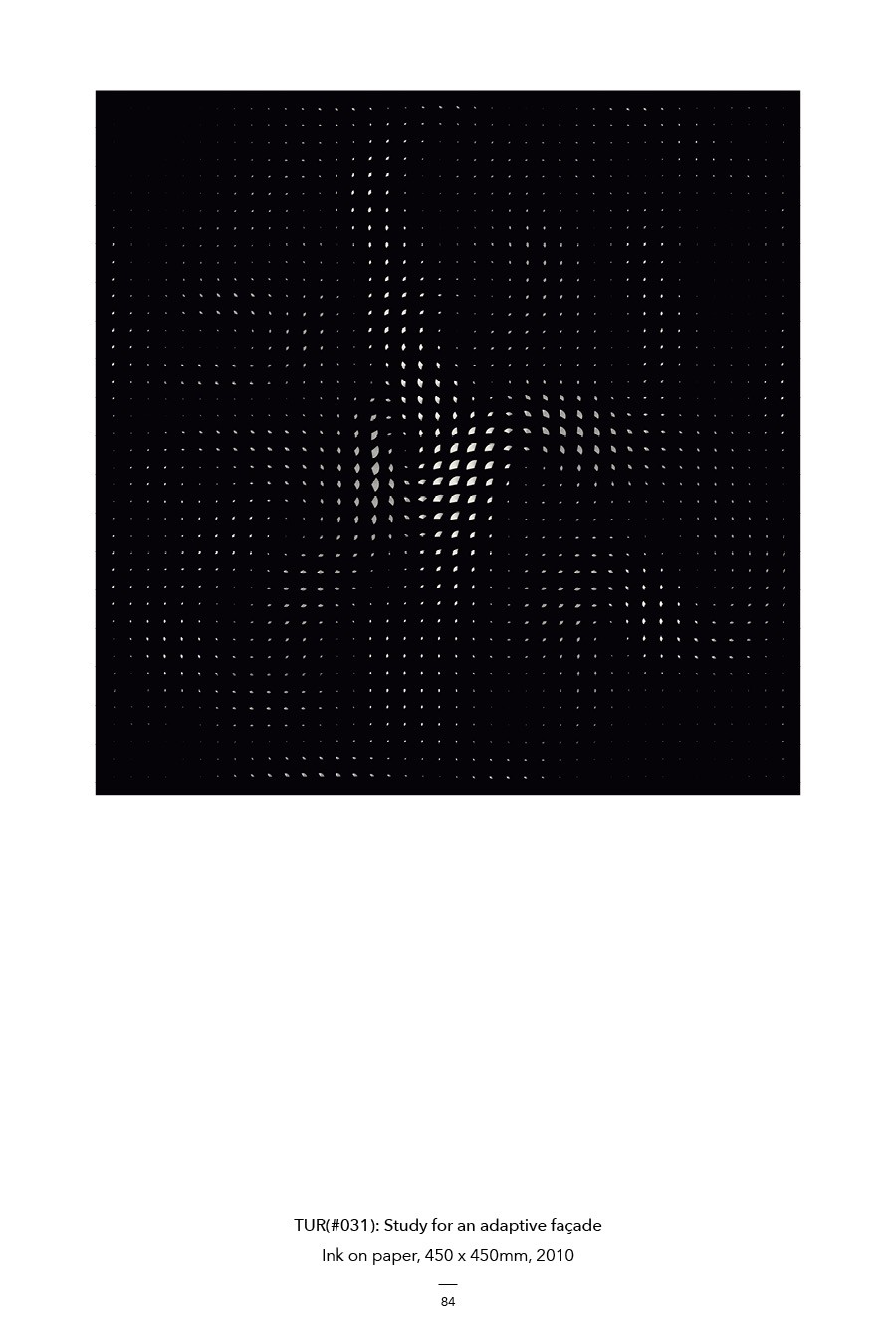
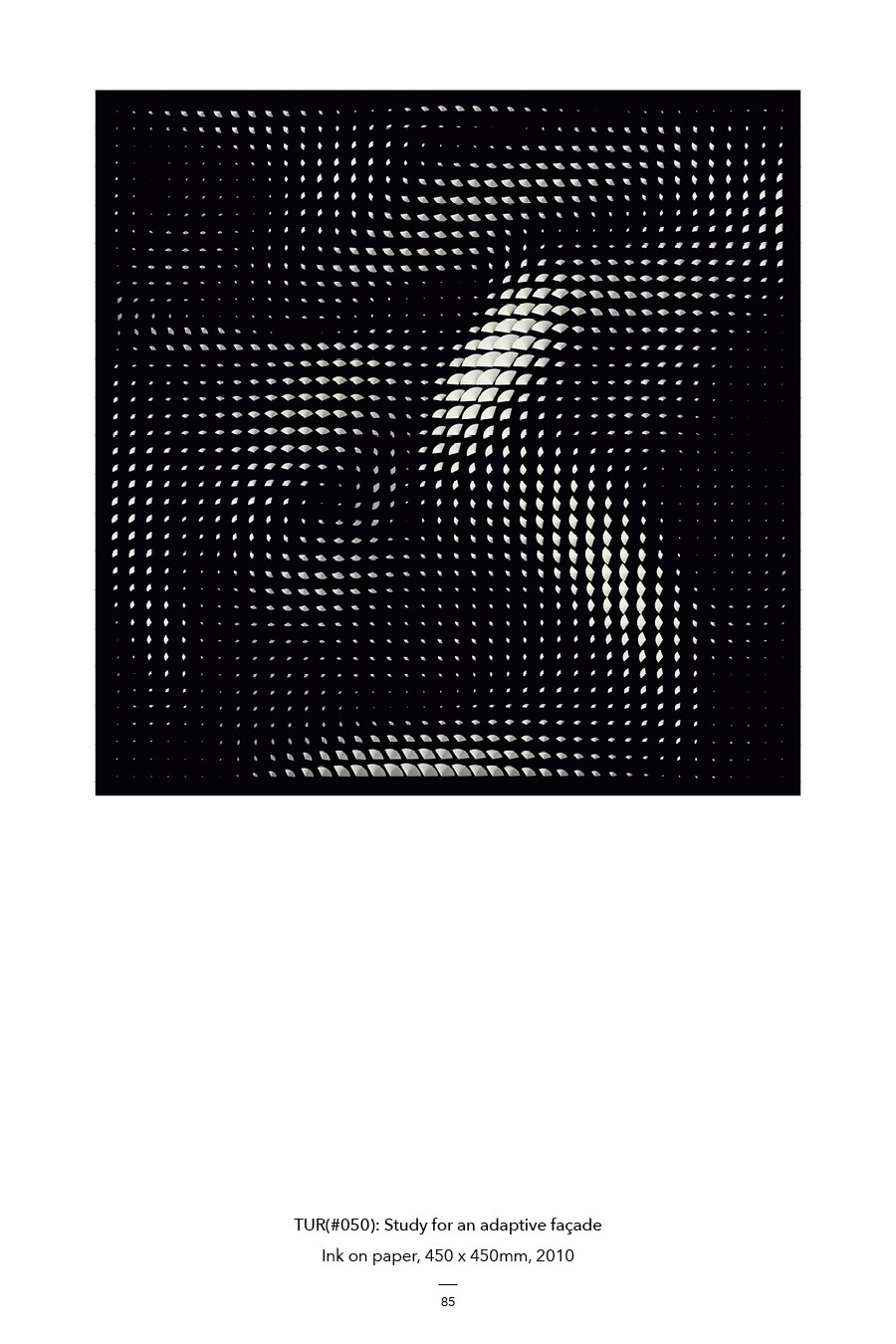
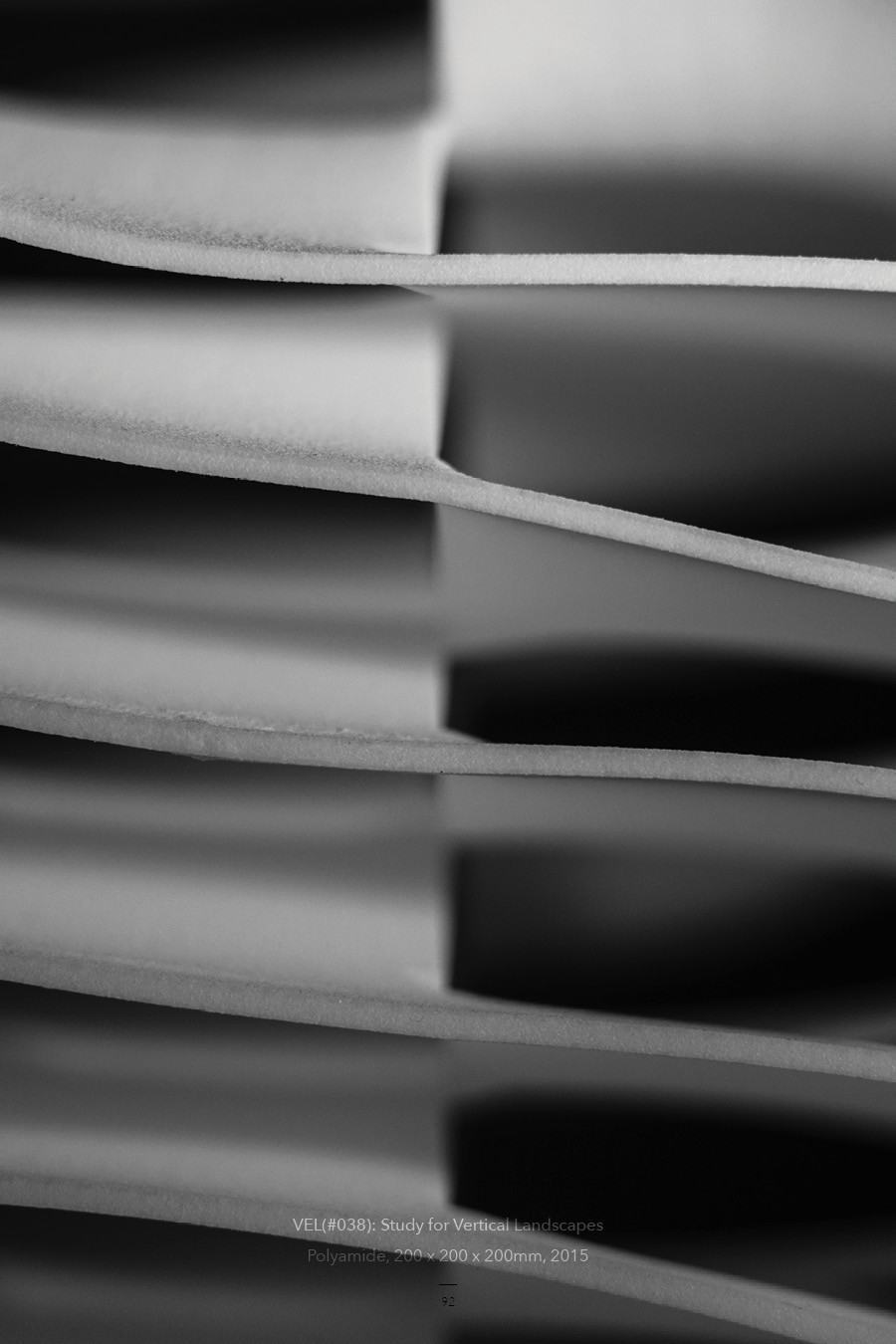
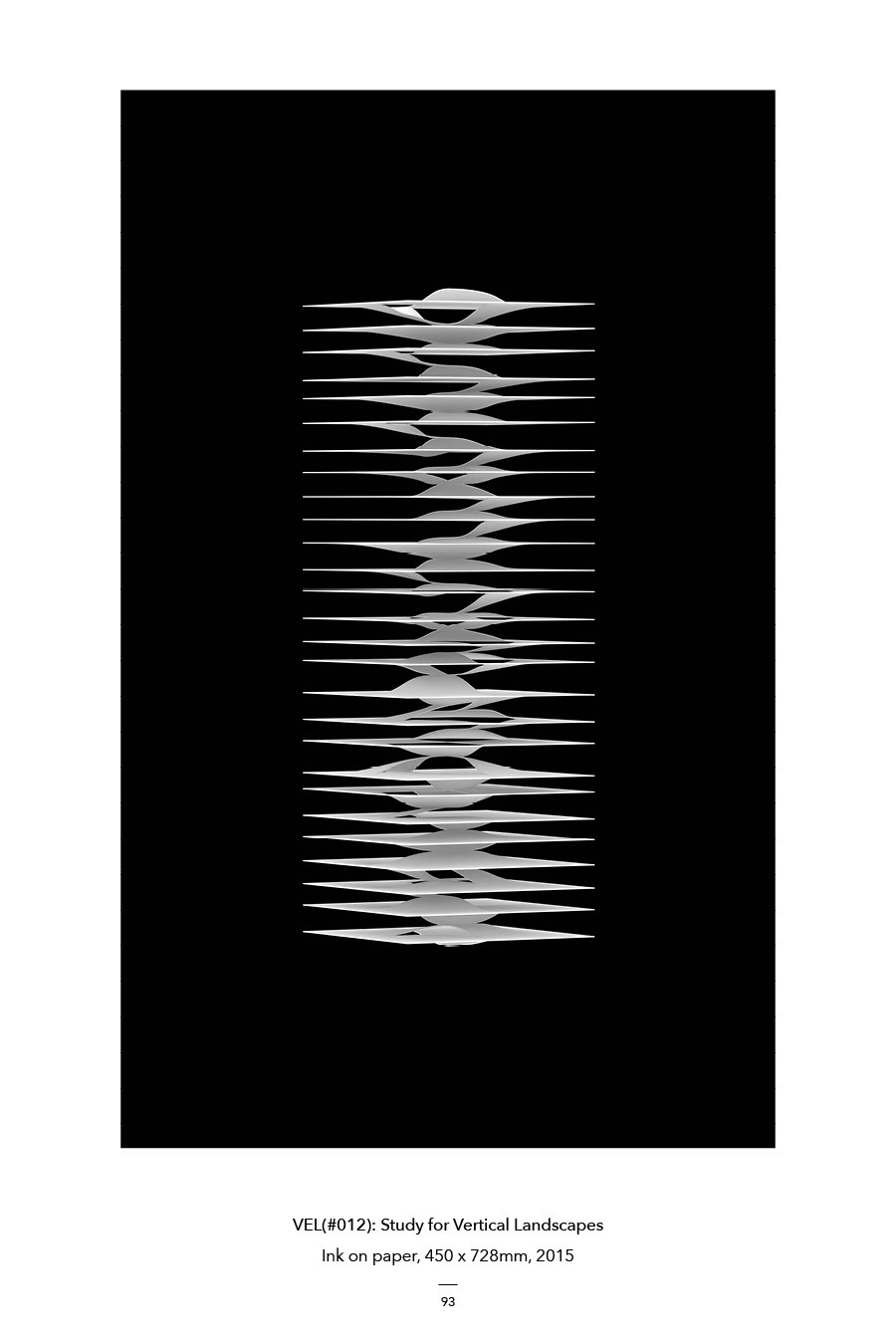
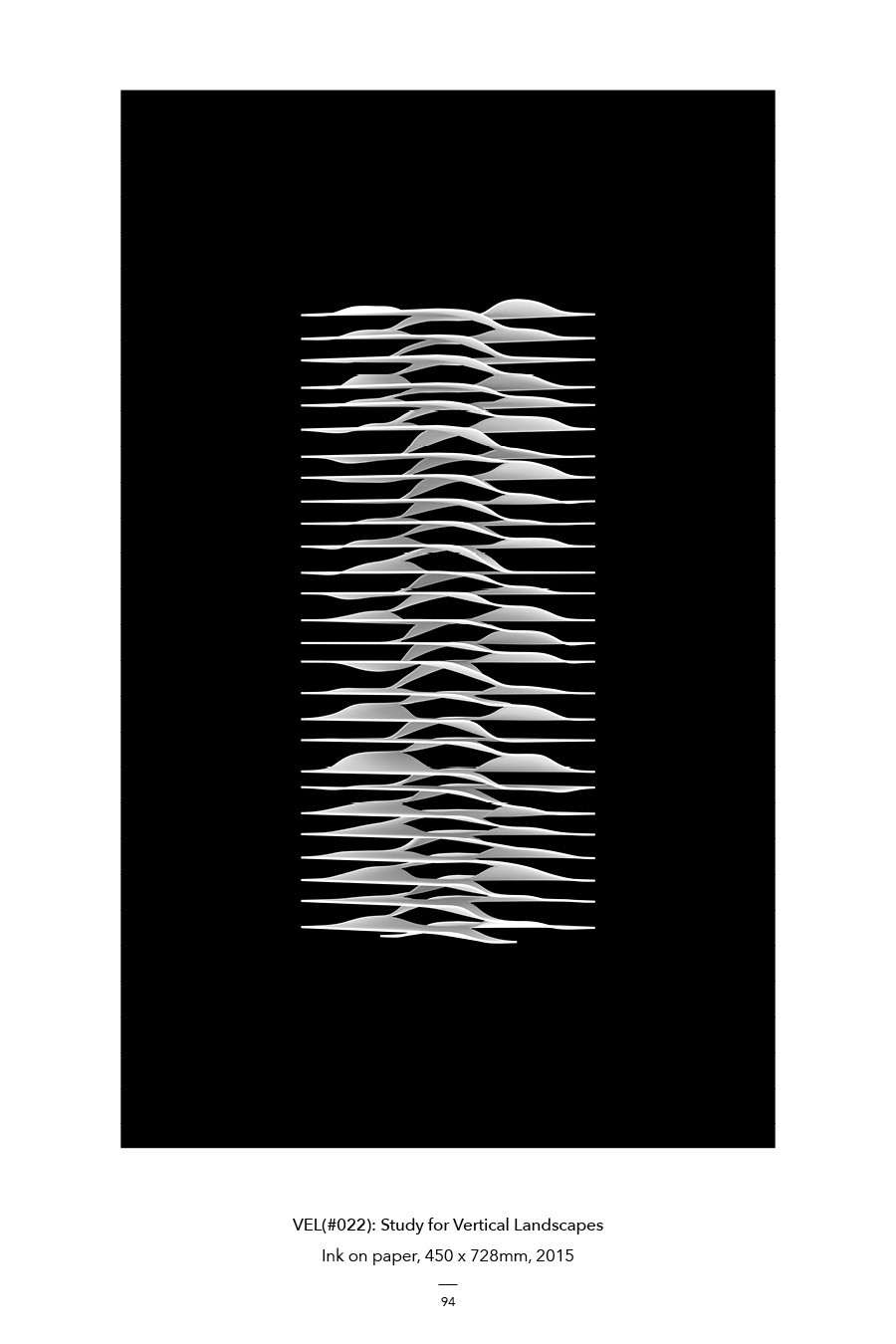
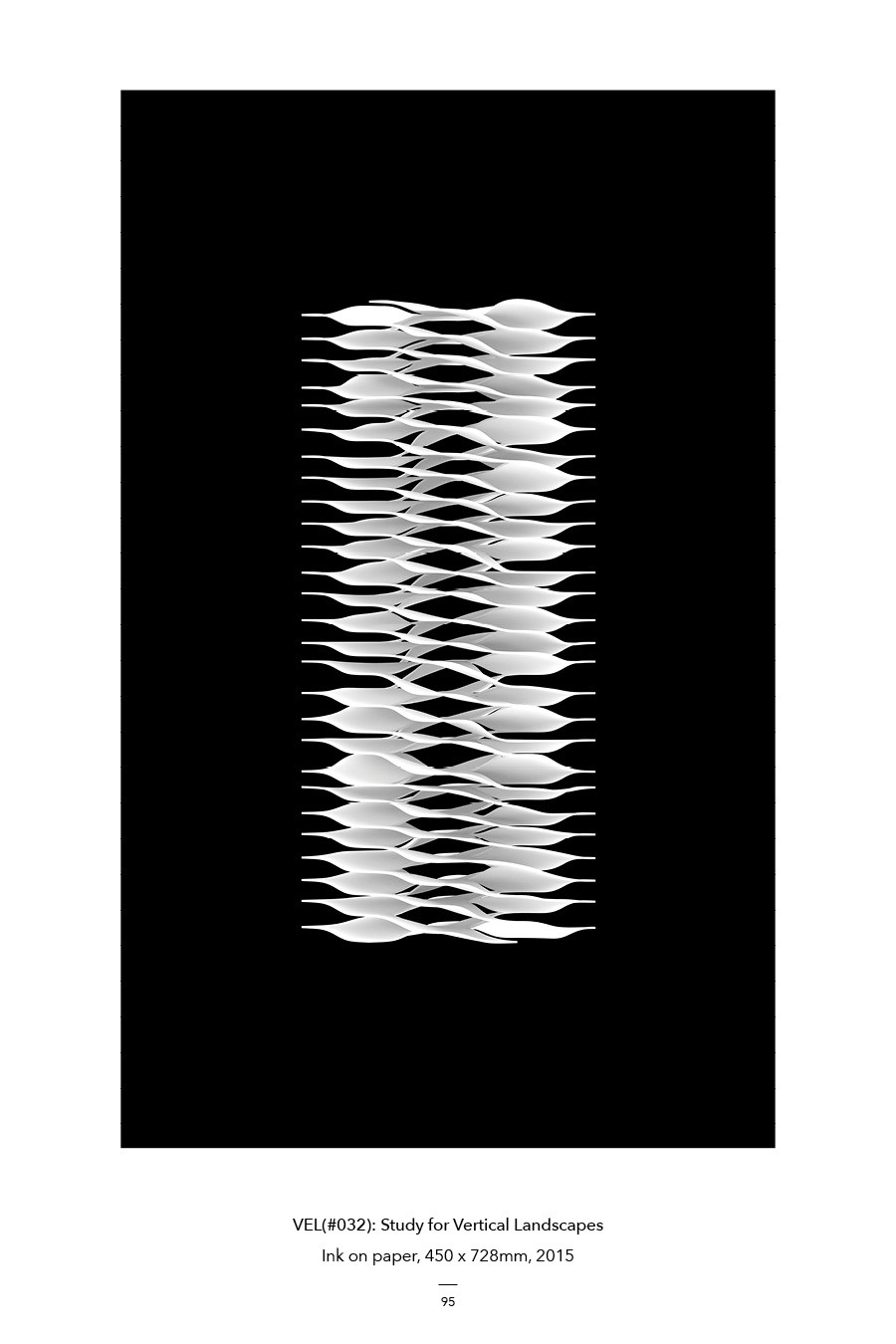
Inside, the exhibition avoids the usual display of finished projects. Drawings, studies, and models trace how architecture is assembled through decisions shaped by regulation, material behaviour, and use. The organising idea, borrowed from biology, is the distinction between genotype and phenotype. In architectural terms, this describes the relationship between an underlying logic and the form it eventually produces. It is a useful framework, even if one suspects the buildings might stand without it.
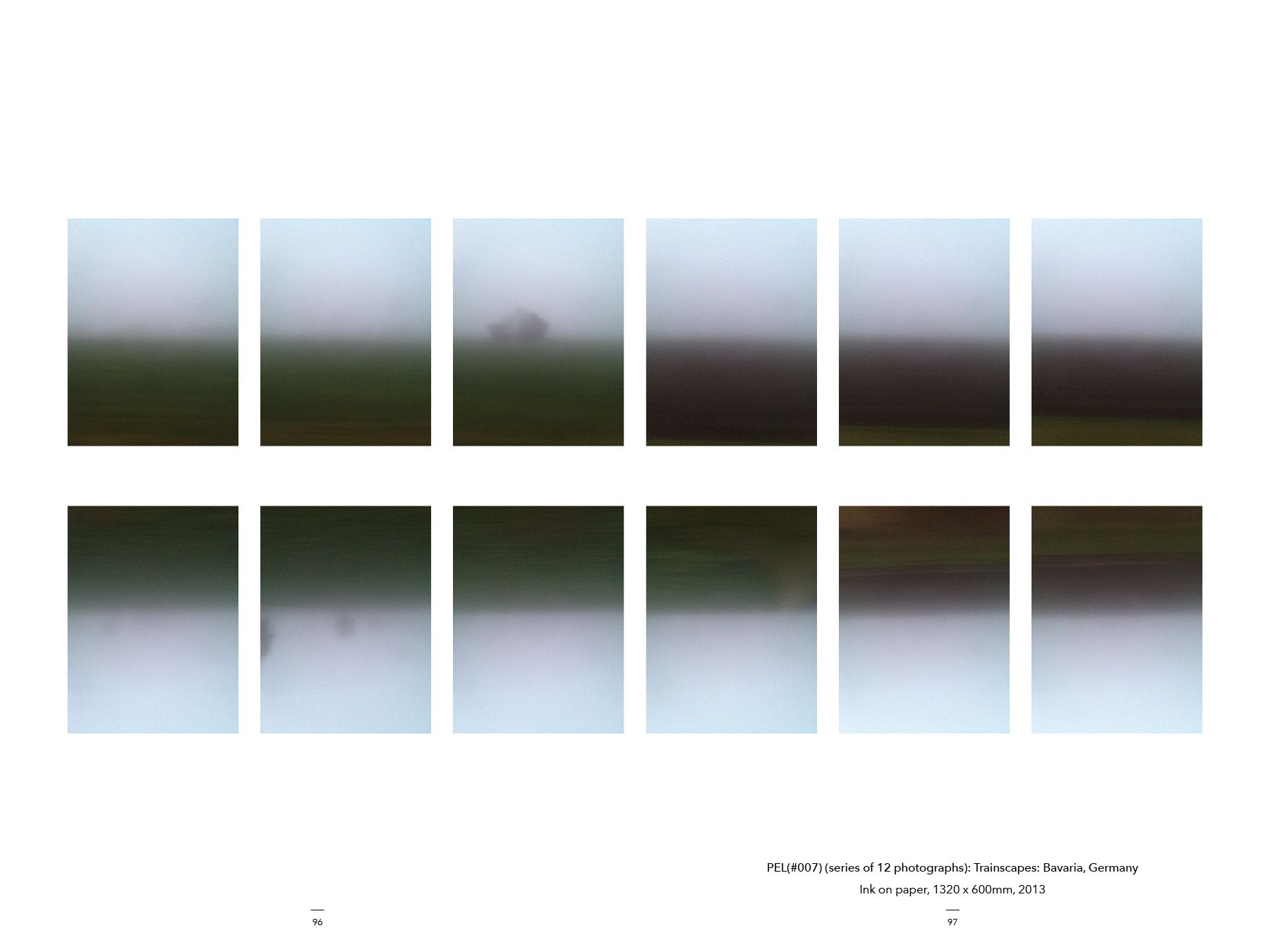
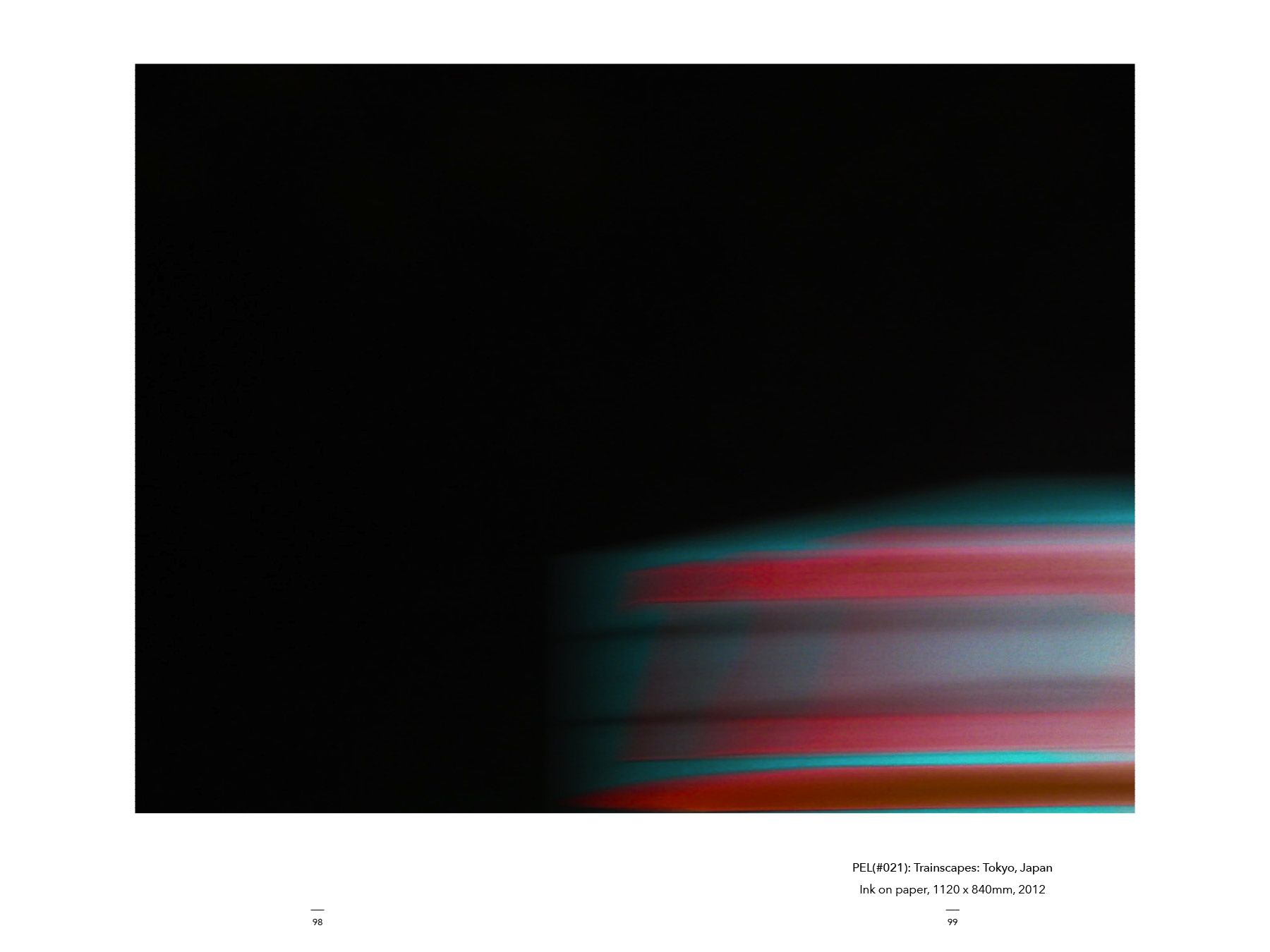
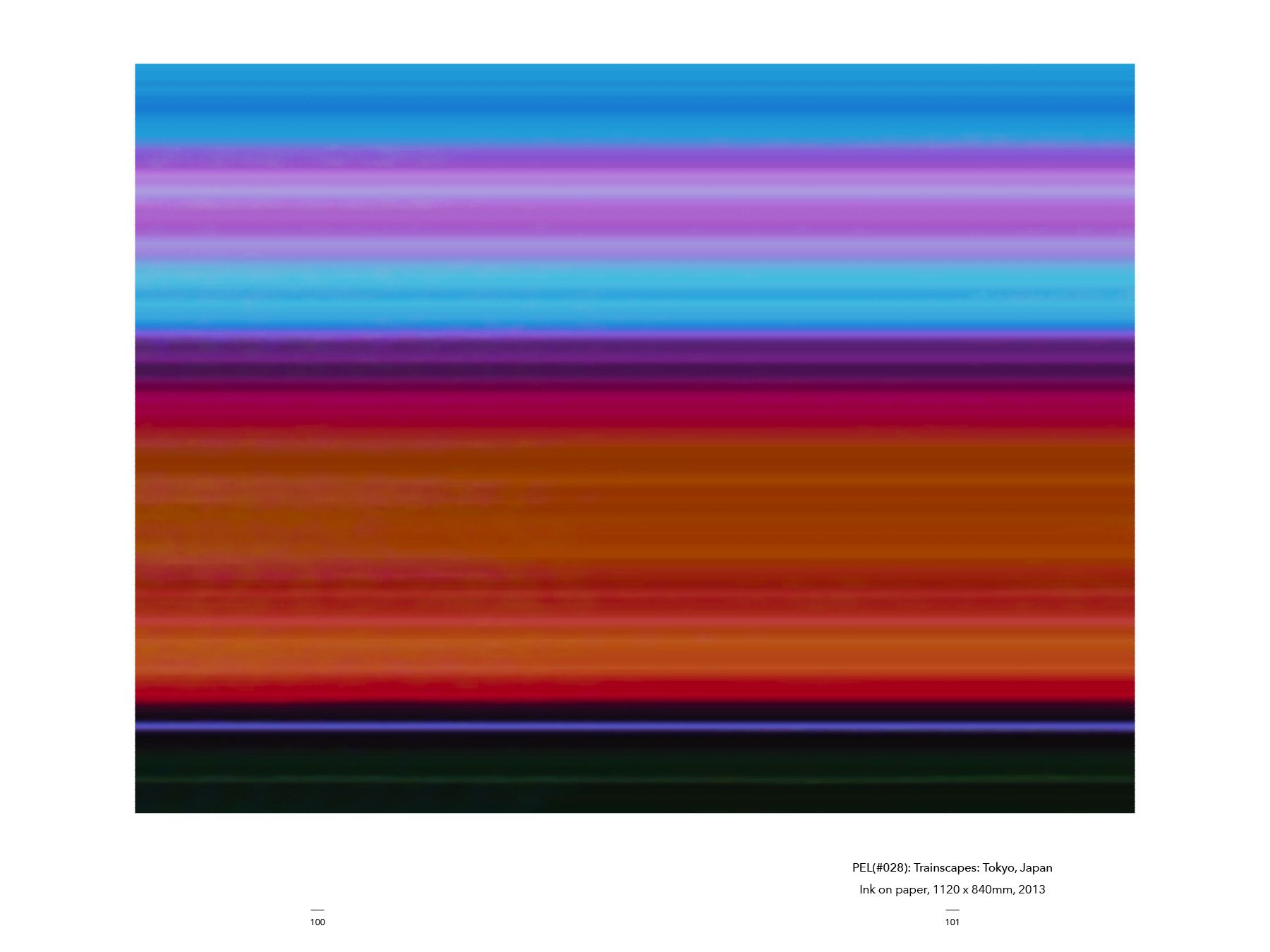
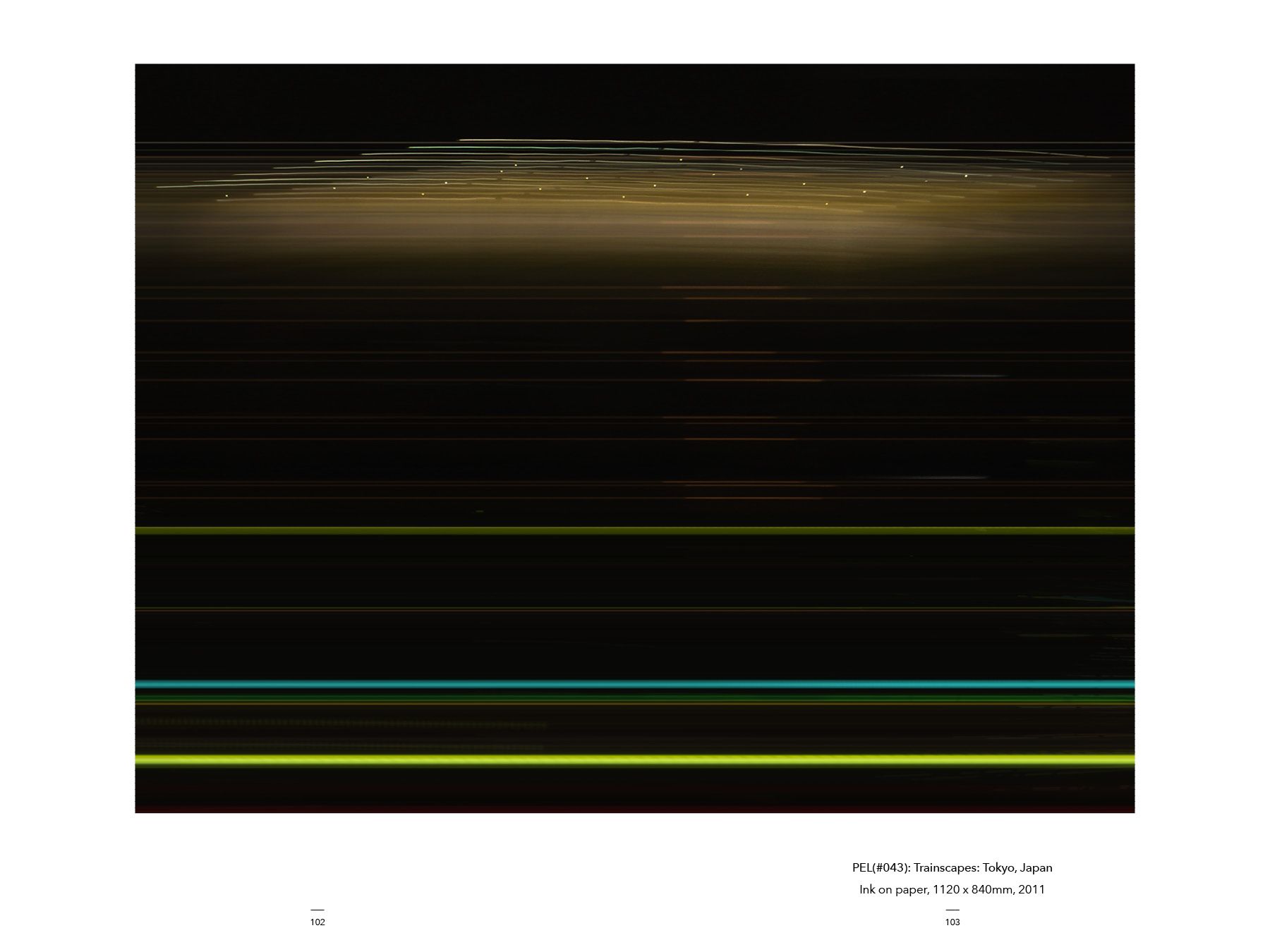
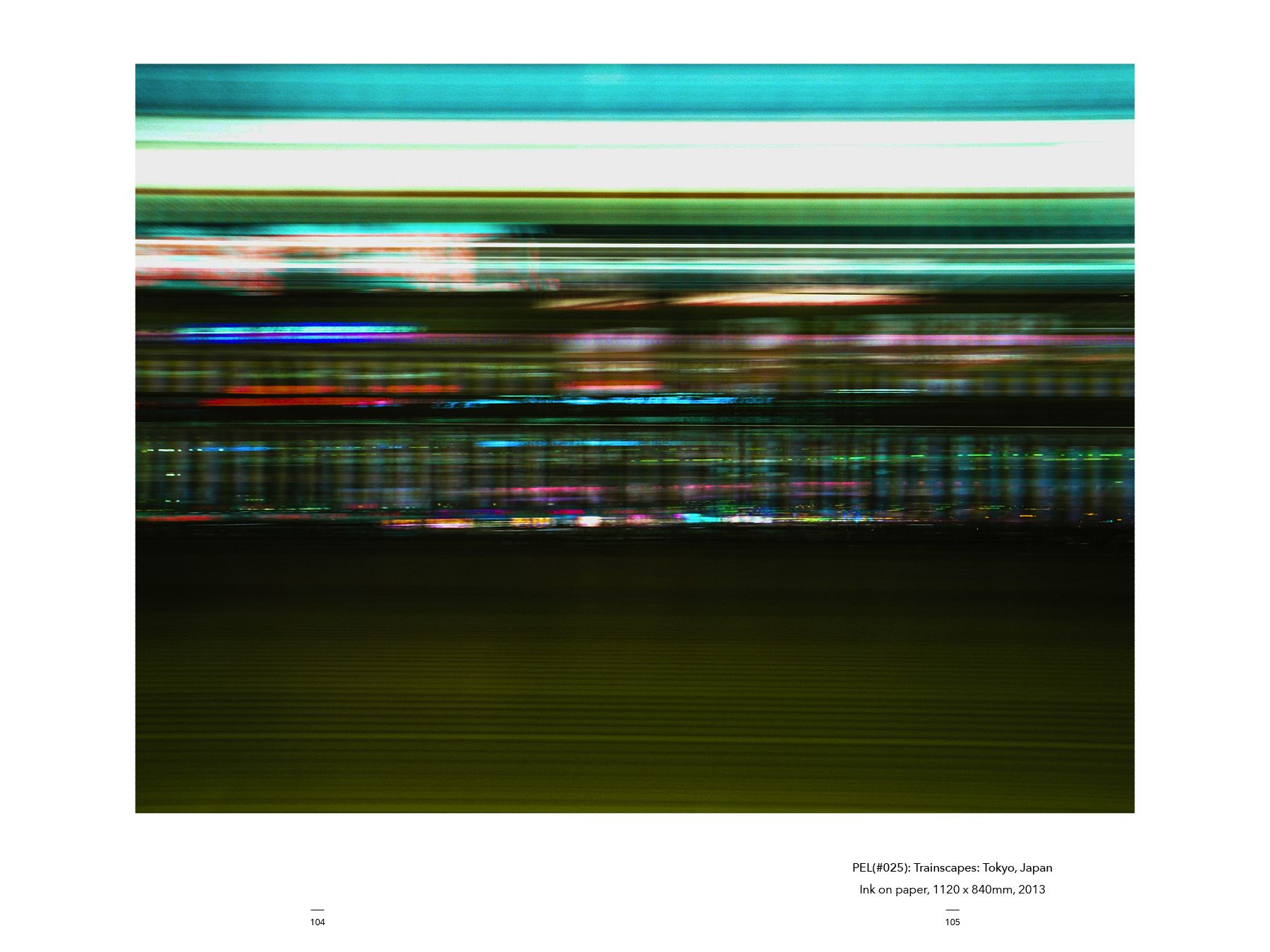
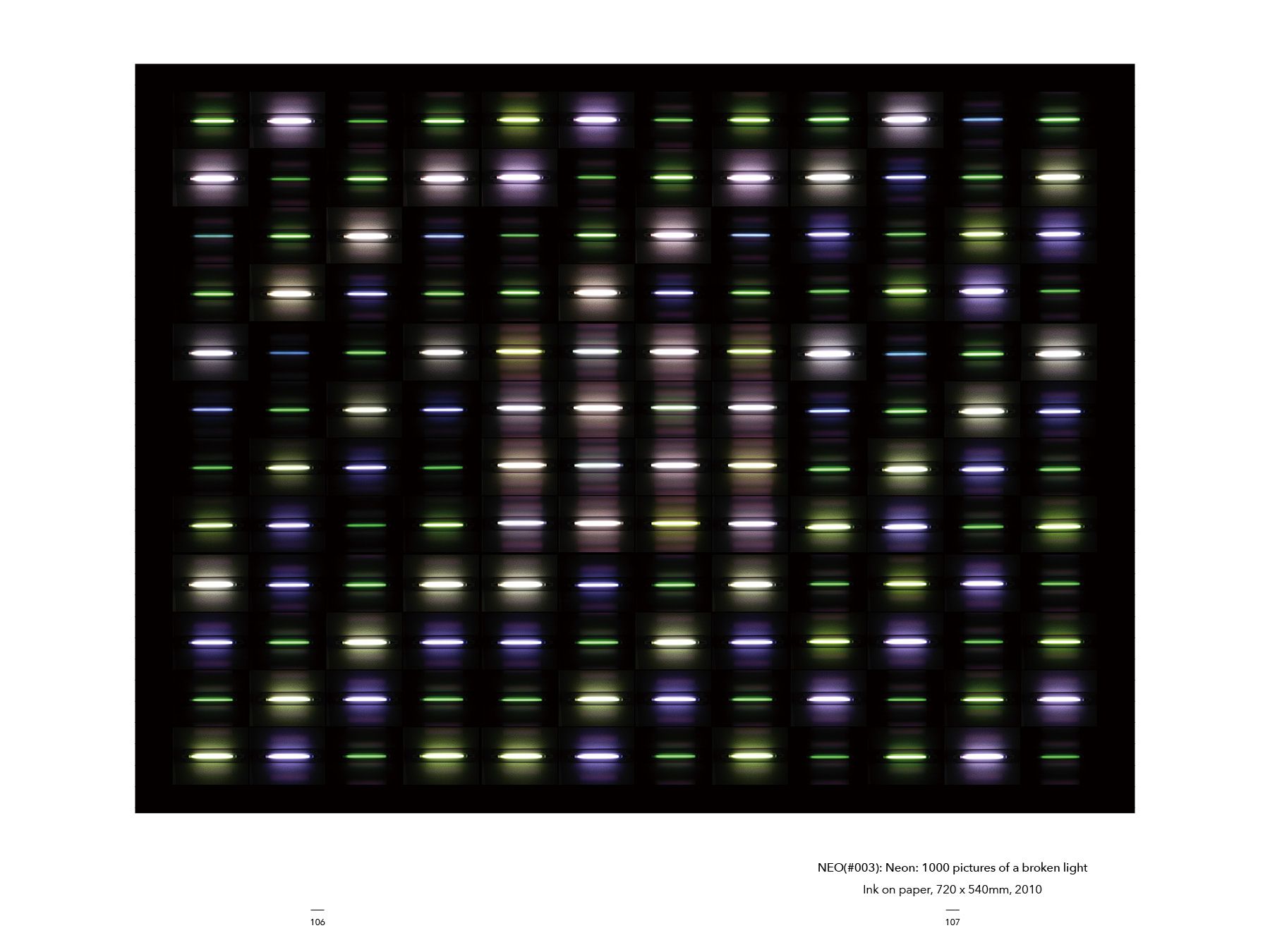
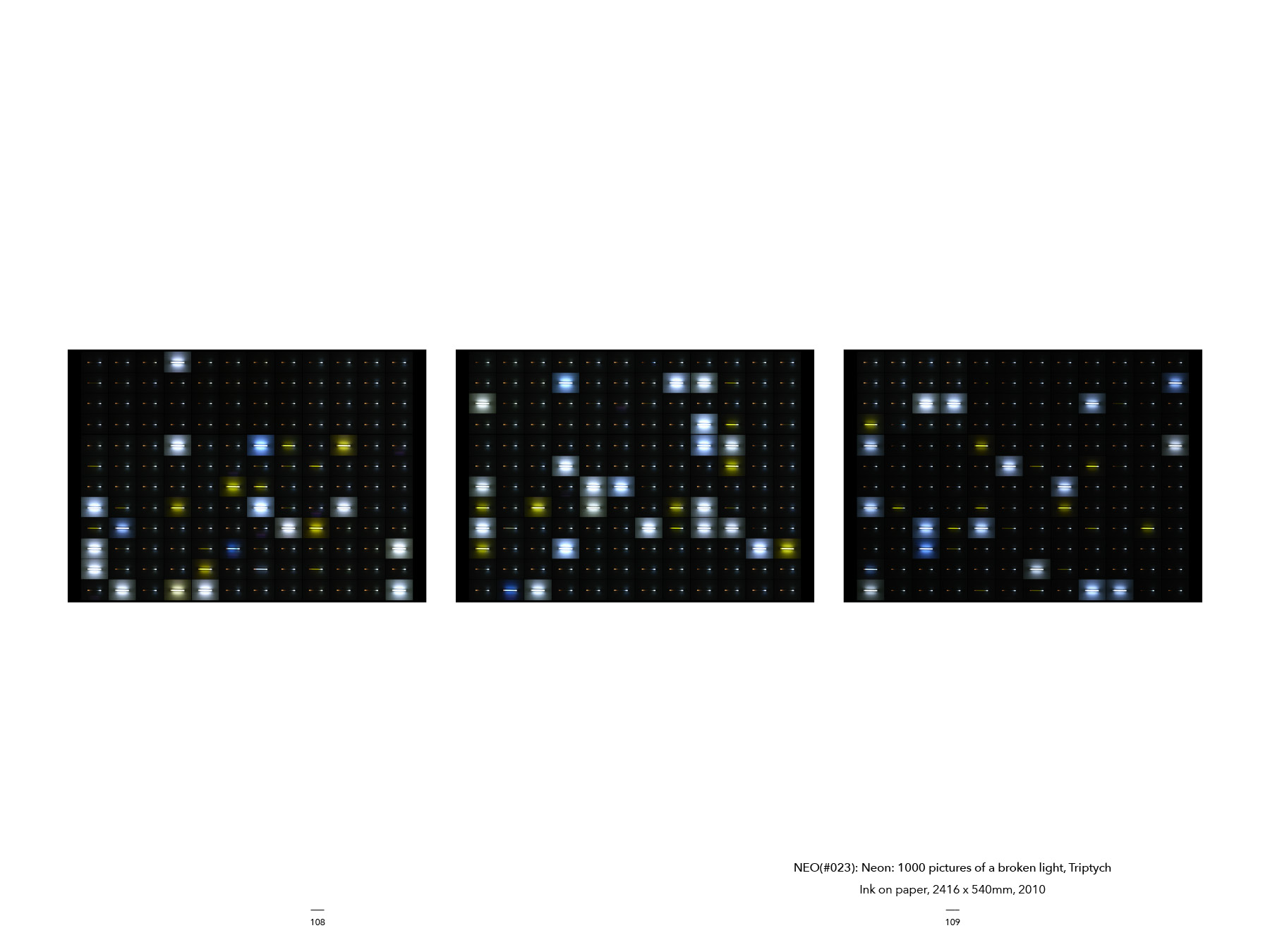
Alongside these materials are large prints of photographs by Busch himself. Taken with long exposure times, they render movement as something almost structural. Flows of people, light, and atmosphere condense into spatial traces. Time becomes an active component of form, shaped rather than simply recorded.
The exhibition’s most telling moment comes with a scale model of the gallery’s own facade. Visitors, having encountered the same structure at full scale outside, can read its organising logic in miniature and then experience its effects again at one to one through the windows behind them. Representation and experience begin to overlap.
There is an element of self-reference here, and the exhibition occasionally risks speaking most clearly to those already comfortable with architectural process. K8, the building itself shows that restraint is persuasive. The gallery and the exhibition Anatomy of Space make a modest but pointed claim. Architecture’s value lies not in visual excess, but in attention, to context, to making, and to the discipline required to decide what is enough.
—EH
Title
year
Place